

Hard Chrome Plating Solutions For Extending Equipment Life And Reliability
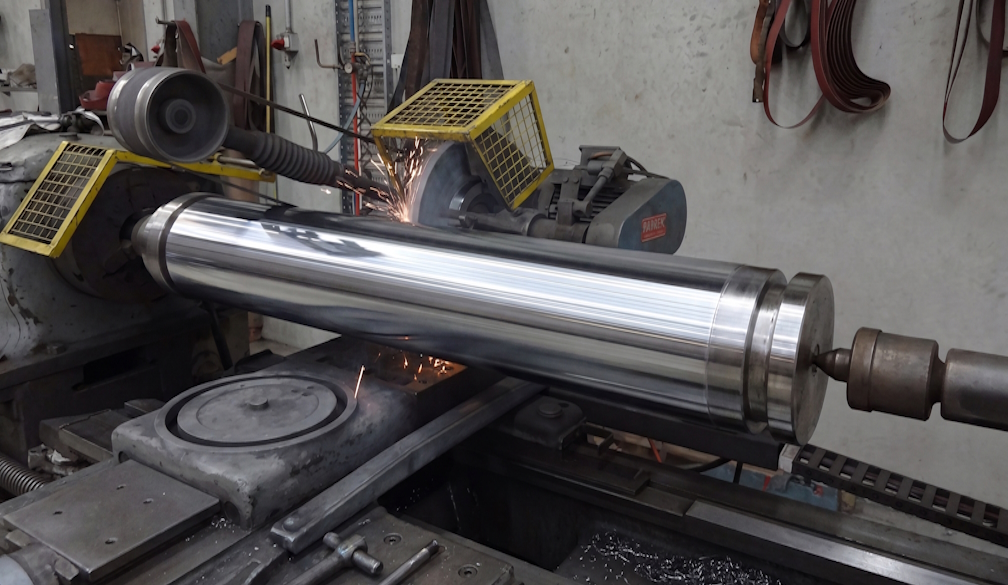
Industrial equipment is subjected to constant stress through friction, heavy loads, harsh environments, and continuous operation. Over time, these factors can lead to wear, corrosion, and reduced performance, resulting in costly maintenance and downtime. To combat these challenges, many industries rely on hard chrome plating as an effective surface treatment solution. This process enhances the durability of components while helping businesses maximise the lifespan and efficiency of their equipment.
From manufacturing and mining to agriculture and hydraulic engineering, hard chrome plating continues to play a vital role in protecting critical machinery components. Its combination of hardness, corrosion resistance, and wear protection makes it one of the most trusted industrial coating methods available.
What Makes Hard Chrome Plating Different
Unlike decorative chrome finishes that are primarily designed to improve appearance, hard chrome plating focuses on performance. The process involves depositing a thick layer of chromium onto a metal surface through electroplating.
This coating creates a highly durable outer layer that can withstand demanding operating conditions. The resulting surface offers increased hardness and resistance to mechanical wear, making it ideal for industrial applications where reliability is essential.
Because the coating is engineered for functionality, it is commonly used on components that experience regular movement, friction, and environmental exposure.
Protecting Components From Wear And Tear
Wear is one of the most common causes of equipment failure. Continuous contact between moving parts gradually removes material from surfaces, affecting performance and dimensional accuracy.
Hard chrome plating significantly improves resistance to wear by creating a robust protective barrier. Components such as shafts, rollers, hydraulic rods, and machine tooling benefit from this added protection.
Reducing wear not only extends the lifespan of parts but also helps maintain operational consistency, reducing the need for frequent repairs and replacements.
Improving Corrosion Resistance
Industrial environments often expose machinery to moisture, chemicals, and varying weather conditions. These factors can accelerate corrosion and weaken components over time.
A chrome-plated surface provides an additional layer of defence against environmental exposure. This protection helps preserve the integrity of the underlying material while reducing the risk of corrosion-related failures.
For businesses operating in challenging conditions, improved corrosion resistance can lead to lower maintenance costs and increased equipment reliability.
Enhancing Surface Hardness
Surface hardness is a critical factor in determining how well a component performs under pressure. Softer materials are more susceptible to scratching, denting, and abrasion, which can negatively affect efficiency.
Hard chrome plating increases surface hardness significantly, allowing components to withstand demanding applications without premature degradation. This enhanced hardness is particularly beneficial in industries where equipment operates under high loads or abrasive conditions.
Stronger surfaces contribute to improved performance and greater durability over time.
Supporting Precision Engineering Requirements
Many industrial applications rely on components that must maintain exact dimensions and tolerances. Even minor wear can affect performance, accuracy, and product quality.
Hard chrome plating supports precision engineering by providing a controlled coating thickness that can be applied consistently. In some cases, worn components can be restored to their original specifications through plating and finishing processes.
This capability offers a practical alternative to complete replacement, helping organisations reduce costs while maintaining operational standards.
Reducing Friction For Better Performance
Friction is an unavoidable part of many mechanical systems, but excessive friction can increase wear and reduce efficiency. A smooth chrome-plated surface helps minimise friction between moving components.
Lower friction levels can improve equipment performance while reducing stress on machinery. This contributes to smoother operation and may help decrease energy consumption in certain applications.
The ability to improve efficiency while protecting components makes hard chrome plating a valuable investment for many industries.
Applications Across Multiple Sectors
Hard chrome plating is widely used because of its versatility. Manufacturing facilities use plated components in production machinery, while hydraulic systems rely on chrome-coated rods for smooth and reliable operation.
Mining operations benefit from enhanced wear resistance in harsh environments, and agricultural equipment manufacturers utilise chrome plating to improve durability. The process is also common in transport, engineering, and heavy industrial sectors where equipment performance is critical.
Its broad range of applications demonstrates the effectiveness of hard chrome plating across diverse industries.
Extending Asset Lifecycles
Replacing industrial equipment components can be expensive and disruptive. Every replacement involves costs related to parts, labour, and potential downtime.
Hard chrome plating helps extend the useful life of valuable assets by protecting them from premature wear and damage. Longer-lasting components contribute to improved operational efficiency and lower maintenance expenses.
By maximising equipment longevity, businesses can achieve better returns on their investments while maintaining productivity.
The Importance Of Professional Application
Achieving optimal results requires expertise throughout the plating process. Surface preparation, coating application, and finishing techniques all influence the quality and durability of the final product.
Professional service providers use specialised equipment and strict quality control measures to ensure coatings meet performance requirements. Proper application helps maximise adhesion, durability, and overall effectiveness.
Choosing experienced specialists is essential for achieving consistent and reliable outcomes in demanding industrial environments.
Conclusion
Hard chrome plating remains a highly effective solution for protecting industrial components against wear, corrosion, and mechanical stress. Its ability to enhance surface hardness, improve durability, and support precision engineering makes it an essential process across many industries. By extending equipment life and reducing maintenance requirements, hard chrome plating helps businesses improve operational efficiency and control long-term costs. For organisations seeking reliable surface protection and improved equipment performance, hard chrome plating continues to deliver proven results.