

Concrete Repairs Melbourne: Understanding Repair Options for Concrete Surfaces
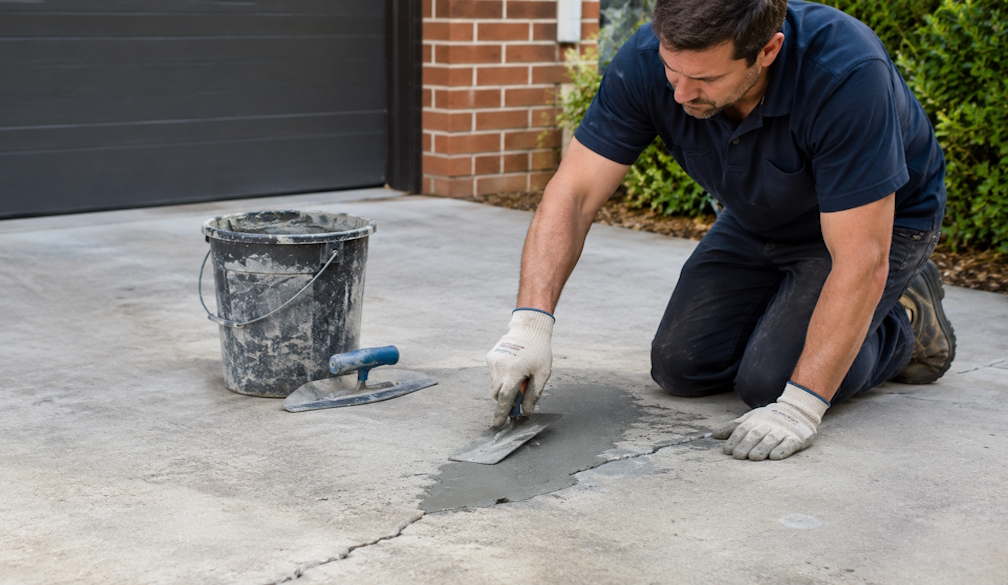
Concrete repairs Melbourne property owners arrange can help address cracking, surface deterioration and damage before these issues affect the use of a structure. Concrete can be exposed to moisture, changing temperatures, movement and regular wear, so visible damage should be assessed rather than ignored. RCW provides concrete repair services, and understanding the condition of the affected area is a useful first step when planning suitable work. The right approach depends on the cause of the damage, the concrete's location and the performance required after repair.
Identify the cause before choosing a repair
Cracks and surface defects can develop for different reasons. Some are associated with shrinkage or minor surface movement, while others may indicate water entry, corrosion of reinforcing steel, loading or movement in the surrounding structure. A repair that only covers the visible mark may not resolve the underlying cause. For concrete repairs Melbourne projects, assessment should consider the width and pattern of cracks, the condition of nearby surfaces and whether the damage is changing over time.
Moisture is an important factor because water can enter through cracks and porous concrete. In reinforced concrete, moisture and contaminants can contribute to reinforcement corrosion, which may lead to cracking, staining or sections of concrete becoming loose. RCW can be contacted to discuss repair requirements, while significant or recurring damage should be assessed by a suitably qualified professional to determine the appropriate scope of work.
Common signs that concrete needs attention
Signs of deterioration may include cracking, flaking, exposed aggregate, rust staining, hollow-sounding areas or concrete that is breaking away. The meaning of each sign depends on the setting and the structure. A small surface defect on a non-structural area is different from damage around a beam, column, balcony or other load-bearing component. Concrete repairs Melbourne work should be planned with the function and safety of the affected structure in mind.
It is useful to record where damage appears and whether it changes after rainfall or seasonal temperature shifts. Photographs can help track visible changes, but they do not replace a professional assessment where structural performance may be affected. If concrete is loose, falling, severely cracked or located in an area where failure could injure someone, restrict access and arrange prompt expert advice rather than attempting an improvised patch.
Select a repair method for the actual condition
Repair methods vary according to the defect and the condition of the surrounding concrete. Surface repairs may be appropriate for limited areas of spalling or localised damage after loose material has been removed and the substrate prepared. Cracks may require sealing, injection or another treatment depending on whether they are active, what caused them and whether they affect water entry or structural performance. The method should be selected after assessment, not simply because it is quick to apply.
Preparation is often central to a durable repair. Unsound concrete needs to be identified and removed to the appropriate extent, and the remaining surface must be prepared for the chosen repair material. Reinforcement may require attention if corrosion is present. RCW can discuss concrete repair needs and the work involved, with the final method based on site conditions and the relevant technical requirements.
Why preparation and workmanship matter
Even suitable repair products can perform poorly if applied to an inadequately prepared surface or in conditions outside the manufacturer's instructions. Moisture levels, temperature, curing time and compatibility between existing concrete and repair materials can all affect the result. For concrete repairs Melbourne property managers should ensure the scope accounts for preparation, application, curing and any measures needed to protect the repaired area while it develops strength.
Workmanship also includes managing the surrounding site. Dust, debris and loose concrete should be controlled, and the repair area should be kept clear while work is underway. Where the concrete forms part of a larger building system, it may be necessary to coordinate repairs with waterproofing, drainage or other maintenance. RCW can be approached to discuss the service and the information needed to assess a particular project.
Plan maintenance after the repair
Once repairs are complete, periodic inspection can help identify new cracks, water entry or surface changes early. Keep drainage paths clear and address persistent leaks or ponding that may expose the concrete to ongoing moisture. Maintenance requirements vary by location, exposure and the repair system used, so follow the contractor's guidance and product instructions rather than applying a single timetable to every structure.
A considered repair plan focuses on both the visible damage and the conditions that contributed to it. When comparing concrete repairs Melbourne options, ask what assessment and preparation are included, which repair method is proposed and whether any underlying issues need separate attention. RCW can help property owners discuss concrete repair requirements and plan work around the condition of the surface. Timely assessment and appropriate workmanship can support safer, more serviceable concrete over the longer term.
