

Why Winter is the Right Time to Book a Skin Check in Australia
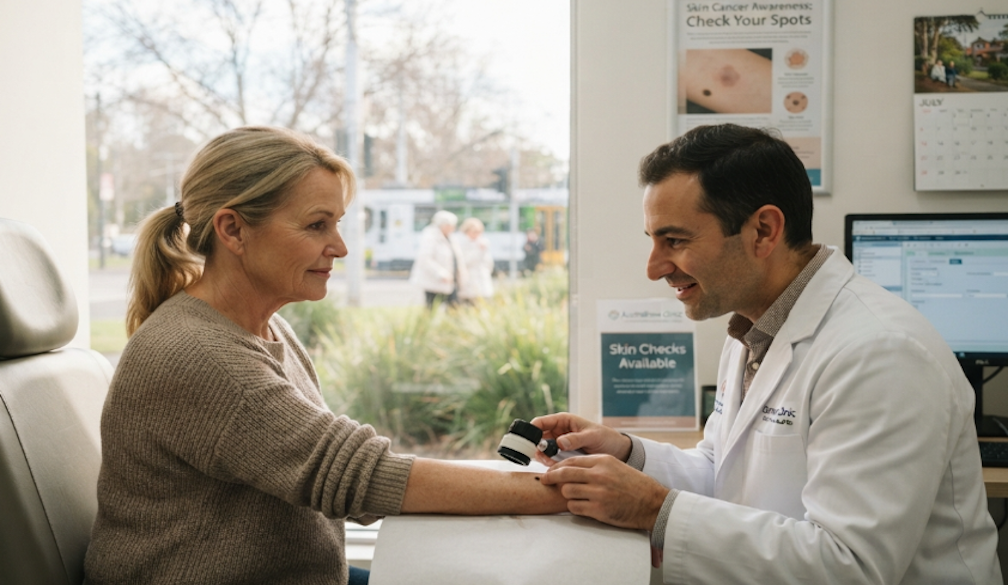
Australia's winter months bring cooler temperatures, shorter days and more time spent indoors. It is the ideal season to prioritise your skin health and book a skin check. Many people associate skin concerns with summer, when beach trips, outdoor activities and increased sun exposure are more obvious. Cumulative sun exposure from weekend sports, gardening, beach trips, outdoor work and holidays can affect the skin over many years.
Why Regular Skin Checks Matter
Our skin naturally changes over time. Many skin changes, such as new spots, changing moles or unusual marks, are harmless. But some may require further assessment. The challenge is knowing which changes are harmless and which may require further investigation. Regular professional skin checks help identify changes that may require further attention. A healthcare professional examines areas that are difficult to see by oneself. They are able to recognise differences that are not always obvious to the untrained eye.
Winter is a Good Time to Focus on Your Health
Summer is a busy season for outdoor activities, holidays and social events. On the other hand, winter often provides a quieter opportunity to focus on appointments that may have been put off. If something on your skin has changed, winter can be a convenient time to arrange an assessment rather than waiting for another busy summer season. A seasonal approach makes skin health easier to remember.
Changes You Should Pay Attention To
Australia has high levels of ultraviolet radiation, and many people have experienced significant sun exposure throughout their lives. This may include childhood outdoor activities, sporting commitments, beach holidays, gardening, outdoor work or simply spending time outside. It is important to become familiar with your own skin. Changes worth paying attention to include a lesion that does not seem to heal or an area that looks noticeably different from the surrounding skin. Changes in size, shape, colour or texture also deserve attention.
A Skin Check is Not Just About Moles
A skin assessment is not just about looking at moles. In reality, a professional examination considers a wide range of marks and changes across the skin. This can include freckles, spots, lesions, and areas of unusual pigmentation. You cannot determine the significance of a spot simply by looking at it. Some concerning changes may be subtle, while some harmless marks may appear unusual. Do not become anxious about every mark on your skin. Seek advice when something appears different.
Sun Protection Still Matters in Winter
Cooler weather sometimes creates a false sense of security. Sun protection is important if you’re spending time outdoors, particularly for extended periods. Depending on the season, location and conditions, sun exposure may occur during everyday activities such as walking, driving, gardening or spending time outdoors. Simple habits help reduce unnecessary exposure. This includes wearing protective clothing, using sunscreen appropriately, wearing a hat and seeking shade where possible. Regardless of the season, build sensible sun protection habits into your routine to care for your skin.
When Should You Seek Professional Advice?
Many skin changes are harmless. But the only way to properly investigate a concern is to have it assessed by a suitable healthcare professional. If you notice a concerning change, do not wait for a scheduled appointment. A new or changing spot, unexplained bleeding, persistent irritation, or a lesion that does not heal may be reasons to seek medical advice.
Final Thoughts
A professional skin check provides reassurance when everything appears healthy. It helps one identify areas that may need further investigation when something looks unusual. Most importantly, it encourages you to take an active role in understanding your own skin.
You can also keep a record of spots or moles that you want to monitor. Taking photographs at regular intervals may help you notice changes over time. However, photographs should not replace professional medical assessment when you have concerns.