

Science Tutoring in Sydney for Stronger HSC Science Skills
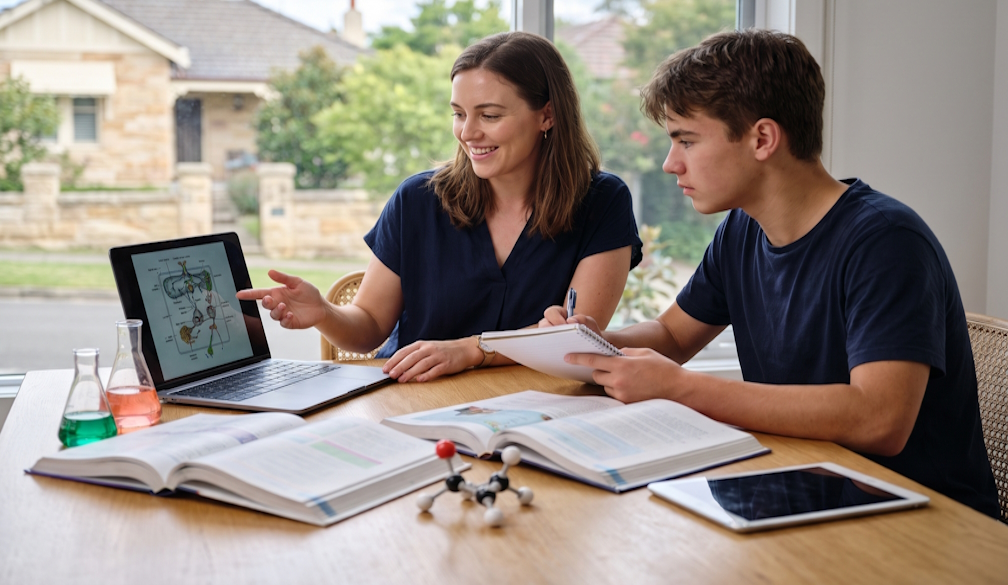
Science subjects require students to understand concepts, apply evidence and explain their reasoning clearly. As schoolwork becomes more demanding, regular revision and targeted practice can help students identify gaps before they affect assessment results. Science tutoring Sydney students consider should support classroom learning while helping them build a more organised approach to study.
Zhangs HSC offers course and tutoring information for students preparing for senior secondary study. When comparing science tutoring Sydney options, consider the subjects covered, the student’s current understanding and the areas where extra explanation or practice would be useful. A clear plan should connect tutoring sessions with school topics and upcoming assessments.
Effective support is not only about completing more questions. Students also need to understand why an answer works, how to interpret scientific information and how to communicate ideas using the terminology expected in assessments. Consistent review can make these skills easier to develop over time.
Build Understanding Before Memorising
Science learning often involves connected ideas, so memorising definitions without understanding their meaning can make unfamiliar questions difficult. Students should practise explaining a concept in their own words, identifying the evidence that supports it and connecting it to examples from class. This makes it easier to apply knowledge when an assessment changes the context.
Science tutoring Sydney students choose should encourage questions and clarification rather than simply moving through answers. If a student repeatedly struggles with a topic, revisit the underlying concept before attempting more advanced problems. Zhangs HSC course information can be reviewed alongside school materials to help students consider the support relevant to their study needs.
Develop a Reliable Revision Routine
A manageable revision plan is usually more effective than leaving all preparation until the days before an assessment. Students can divide a topic into smaller sections, revisit earlier material regularly and use practice questions to check what they remember. Short review sessions also make it easier to notice weak areas while there is still time to address them.
After completing a practice question, students should check both the final answer and the reasoning used to reach it. Keep a record of errors and group them by cause, such as misunderstanding a concept, overlooking a command word or using incomplete scientific terminology. This turns mistakes into a practical guide for the next revision session.
Practise Scientific Communication
Knowing a concept is only part of answering a science question well. Students may need to interpret diagrams, read data, describe patterns or justify a conclusion using evidence. Practising clear, logically ordered responses helps them show their understanding instead of relying on vague statements.
Read the question carefully and identify the task being requested before writing. Where evidence is provided, refer to the relevant information rather than making unsupported claims. Students should also learn the definitions and technical terms used in their course, applying them accurately in explanations and longer responses.
Review Progress Without Guesswork
Keep track of the topics that feel comfortable and those that still require notes or worked examples. Revisit the difficult areas after a few days and try a fresh question without assistance. This gives a more reliable picture of progress than simply rereading a chapter or recognising a solution that has already been seen.
Students can also compare practice responses with teacher feedback to identify whether the same issue appears repeatedly. Use the results to set the next revision goal and avoid spending all available time on topics that already feel secure. This makes science tutoring Sydney students consider more useful when it is connected to a clear independent study plan.
Prepare for Assessments in Stages
Start preparing early enough to revisit the content, practise applying it and correct errors before the assessment date. In the first stage, check understanding of the main concepts. Next, practise different question styles and review scientific terminology. Closer to the assessment, include timed work so that students can practise organising their responses within the available time.
After each practice set, choose a small number of priority errors to address. Trying to fix every weakness in one session can make revision unfocused. A staged approach helps students make deliberate progress and gives them time to check whether corrections have worked.
Make Support Match Individual Needs
Students do not all need the same type of help. One may need to revisit foundational ideas, while another may understand the content but struggle to manage time or structure written answers. A useful learning plan begins with specific goals and is reviewed as the student becomes more confident with the material.
Families comparing science tutoring Sydney services can review the course information available from Zhangs HSC and consider how support may fit alongside school lessons and independent study. Regular practice, honest review of errors and clear goals can help students make more purposeful use of their study time.
