

The Revival of Polished Concrete in Modern Architecture
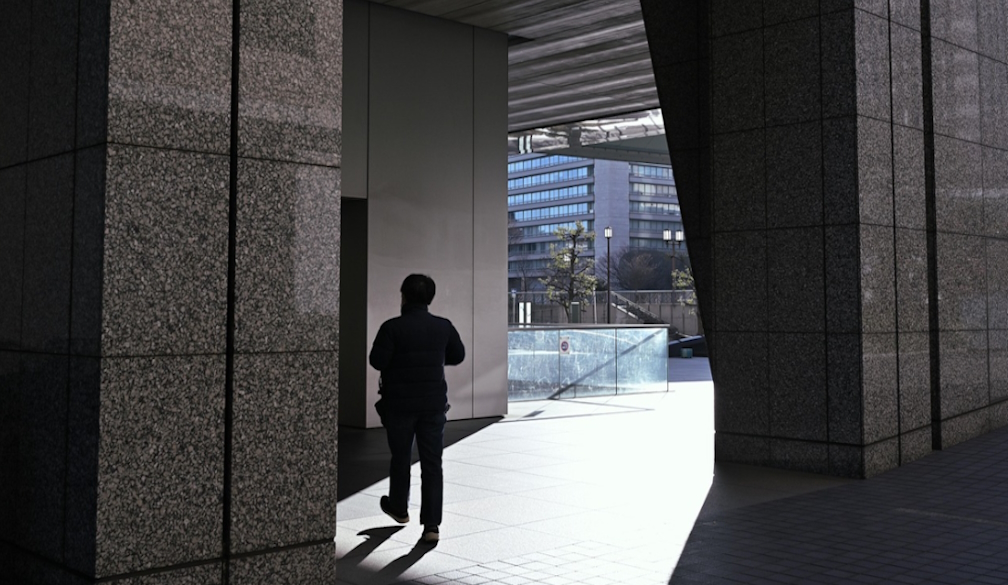
Concrete, traditionally viewed as a purely functional and industrial material, is experiencing a renaissance in modern architecture and interior design. Once limited to utilitarian purposes, it is now celebrated for its aesthetic potential, versatility, and long-lasting performance. Innovative Polished Concrete solutions have further elevated its appeal by offering sleek finishes and customisable designs that suit a wide range of modern applications. Polished concrete, in particular, has become a popular choice for designers and builders seeking materials that combine beauty, durability, and sustainability. Its transformation highlights how innovation can redefine a familiar material, making it both practical and visually striking in contemporary spaces.
The Versatility of Polished Concrete
One of the most appealing aspects of polished concrete is its adaptability. Modern techniques allow it to suit a wide range of design styles, from sleek and minimalist interiors to industrial or rustic aesthetics. Advances in polishing processes have made it possible to create a variety of finishes, including high-gloss reflective surfaces, matte textures, and custom aggregates that reveal subtle patterns. This flexibility enables polished concrete to seamlessly integrate into floors, countertops, walls, and even staircases, providing a cohesive and stylish finish across an entire space.
Sustainability and Longevity
Polished concrete is a sustainable choice for construction and interior design. Its durability means that it can last for decades with minimal maintenance, reducing the need for replacement materials and the environmental impact associated with construction waste. Unlike carpeting or certain floor tiles, polished concrete does not trap dust, allergens, or moisture, which contributes to better indoor air quality. The longevity of polished concrete makes it both an environmentally responsible and economically smart investment for residential and commercial projects.
Thermal Benefits
Beyond aesthetics and durability, polished concrete offers thermal advantages that contribute to energy efficiency. Its high thermal mass allows it to absorb heat during the day and release it when temperatures drop, helping stabilise indoor climates. This property reduces reliance on artificial heating and cooling, supporting energy-efficient building practices and lowering utility costs. When combined with underfloor heating systems, polished concrete becomes an even more effective solution for maintaining comfortable and consistent indoor temperatures.
Innovative Polishing Techniques
Modern polishing techniques have expanded the creative possibilities for concrete surfaces. The process typically involves grinding down the surface layer to expose aggregates, followed by multiple stages of polishing using progressively finer tools. Sealers and dyes can be applied to enhance the finish, offering a wide range of colour and texture options. These advancements allow architects and designers to use polished concrete not only as a functional material but also as a design feature, providing a refined and high-quality aesthetic for floors, walls, and custom installations.
Applications in Residential Spaces
In homes, polished concrete is increasingly used for flooring, countertops, and wall finishes. Its smooth, seamless surface creates a sense of spaciousness and modernity. In high-traffic areas like kitchens, hallways, and living spaces, polished concrete provides a durable surface that withstands wear while maintaining its polished look over time. Its low-maintenance nature and ease of cleaning make it a practical choice for families, while its contemporary appearance adds elegance to interiors.
Applications in Commercial Spaces
Commercial environments, including retail stores, restaurants, offices, and public spaces, benefit greatly from polished concrete. Its ability to endure heavy foot traffic and daily wear makes it ideal for high-use areas. Maintenance is straightforward, requiring only occasional cleaning and resealing to preserve its appearance. Polished concrete floors can also be customised with branding, patterns, or decorative aggregates, enhancing the design appeal of commercial interiors while supporting functionality and durability.
Economic Efficiency
Although polished concrete may have a higher upfront installation cost compared to some flooring options, it offers long-term economic benefits. Its exceptional durability reduces the need for repairs or replacement, and its low maintenance requirements save time and money over the years. Its resistance to stains and damage further enhances its cost-effectiveness, making it a practical choice for property owners seeking long-term value alongside modern aesthetics.
Integration with Modern Technologies
Polished concrete is compatible with modern building technologies. For instance, its thermal conductivity complements underfloor heating systems, providing efficient and uniform heat distribution. Additionally, polished concrete can integrate with smart building systems, such as automated temperature and lighting controls, to further optimise energy efficiency and environmental performance. Its adaptability allows it to remain relevant in technologically advanced and environmentally conscious construction projects.
Future Trends in Polished Concrete
The future of polished concrete is closely tied to ongoing innovation in material science and design. Emerging techniques in concrete composites, sustainable additives, and digital design tools offer new opportunities for architects and designers to create surfaces that are even more durable, environmentally friendly, and visually striking. Innovations such as laser engraving, coloured aggregates, and patterned finishes provide endless possibilities for customisation, ensuring polished concrete continues to evolve as a premium material in modern architecture.
Conclusion
Polished concrete has transformed from a functional industrial material into a versatile and stylish choice for contemporary architecture and interior design. Its durability, low maintenance, thermal properties, and design flexibility make it an attractive option for both residential and commercial projects. By embracing innovative polishing techniques and sustainable practices, polished concrete continues to redefine the possibilities of a familiar material, offering a combination of practicality, aesthetic appeal, and long-term value. Its growing popularity reflects a broader trend towards materials that are both functional and beautiful, proving that even the most traditional construction materials can be adapted to meet modern design needs.