

How Smart Door Lock Technology Is Shaping Modern Home Security
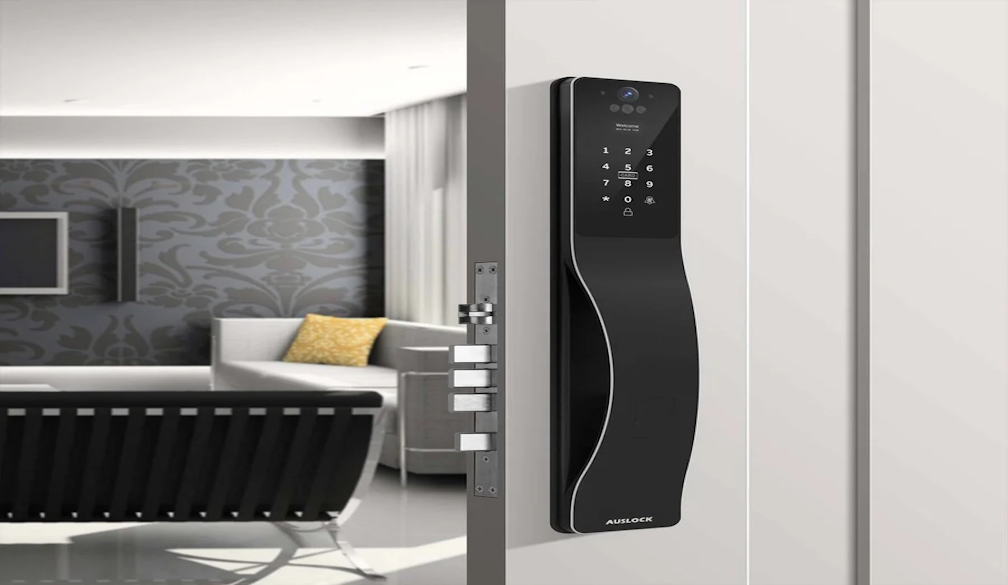
Home security systems continue evolving as homeowners look for safer and more convenient ways to manage property access. Many households now install a smart door lock system to improve security while simplifying everyday entry and access control. Digital locking technology provides practical alternatives to traditional keys and supports the growing demand for connected home solutions.
Smart locks are becoming increasingly common in modern homes because they combine convenience with advanced security features. As more people adopt smart home technology, digital locking systems are helping redefine how residential security is managed.
Traditional Locks Have Everyday Limitations
Conventional key-operated locks have been used for many years, but they also create common frustrations for homeowners. Keys can be lost, forgotten, copied, or damaged, often leading to inconvenience and additional security concerns.
Smart door locks reduce reliance on physical keys by offering alternative access methods such as fingerprint recognition, keypad codes, smartphone applications, and digital credentials. These systems allow homeowners to unlock doors quickly while improving control over property access.
Keyless entry also reduces the need for spare keys and simplifies household access management for families and visitors.
Convenience Is Driving Smart Lock Adoption
One of the biggest advantages of smart locking systems is the convenience they provide during daily routines. Homeowners can access the property more efficiently without searching for keys while carrying shopping bags, luggage, or other belongings.
Remote access features allow users to unlock doors through mobile applications from almost any location. This flexibility makes it easier to provide temporary access to guests, tradespeople, cleaners, or family members without physically handing over keys.
Automatic locking functions also help improve security by ensuring doors lock after entry if occupants forget to secure them manually.
Access Management Becomes More Flexible
Modern households often require more flexible access arrangements than traditional locks can provide. Smart locks allow homeowners to create personalised entry permissions for different users based on their access needs.
Temporary access codes can be issued for short-term visitors and removed immediately after use. This level of control helps improve both convenience and property security while reducing concerns related to copied or unreturned keys.
Some systems also provide entry activity logs that allow homeowners to monitor when doors are opened and who accessed the property.
Smart Locks Work With Connected Home Systems
Digital locking technology is increasingly integrated into broader smart home environments. Many smart locks now connect with alarms, surveillance cameras, lighting controls, and voice assistants to create more connected and manageable security systems.
Integrated platforms allow homeowners to monitor and manage several security functions from a single application or device. Real-time notifications regarding lock activity or attempted access improve awareness and support stronger property monitoring capabilities.
Connected home integration has become a major reason many homeowners choose digital locking systems over traditional hardware.
Modern Security Features Continue Improving
Smart door locks are designed with advanced security features that help protect against unauthorised access. Encryption technology, anti-tamper alarms, multi-step authentication, and automatic locking systems all contribute to stronger digital security performance.
Many systems also include emergency backup solutions such as mechanical keys or battery backup functions to ensure reliable access during technical issues or power outages.
Manufacturers continue improving cybersecurity protections and software reliability to support safer long-term use of smart locking technology.
Different Properties Benefit From Smart Lock Systems
Smart door lock systems are suitable for many property types including apartments, family homes, rental properties, and holiday accommodation. Property managers and landlords often use smart locks to simplify tenant access management while reducing the need for physical key replacements.
Homeowners upgrading older properties may also install digital locks as part of broader renovation and security improvement projects. Flexible installation designs allow many smart lock systems to fit existing doors and entry structures without extensive modifications.
Commercial offices and shared workspaces are also increasingly using smart locking systems to manage secure access more efficiently.
Professional Installation Supports Better Performance
Selecting the right smart lock requires consideration of several important factors including compatibility, connectivity, power management, and integration with existing smart home devices. Professional installation helps ensure the system operates correctly and provides reliable security performance over time.
Proper setup improves alignment, functionality, and long-term durability while reducing the likelihood of operational problems. Homeowners should also understand software updates, battery maintenance, and ongoing support requirements to maintain reliable performance.
Working with experienced suppliers and installers contributes to stronger overall security outcomes.
Smart Home Technology Reflects Modern Living Trends
Modern lifestyles increasingly prioritise flexibility, remote access, and digital convenience within the home. Smart locks align with these expectations by allowing homeowners to control property access through connected technology while improving security management.
As smart home adoption continues growing, digital access systems are becoming more widely accepted as standard residential security features. Homeowners value solutions that simplify everyday living while maintaining strong property protection.
The continued growth of connected technology is expected to further increase demand for smart locking systems across residential markets.
Conclusion
Smart door locks continue reshaping modern home security by combining convenience, flexibility, and advanced digital protection features. Keyless entry, remote access management, and smart home integration make these systems an increasingly practical choice for residential properties. As technology continues evolving, smart door lock solutions remain an effective way for homeowners to improve security while supporting more connected and convenient lifestyles.