

How Fibreglass Ladder Materials Improve Workplace Safety
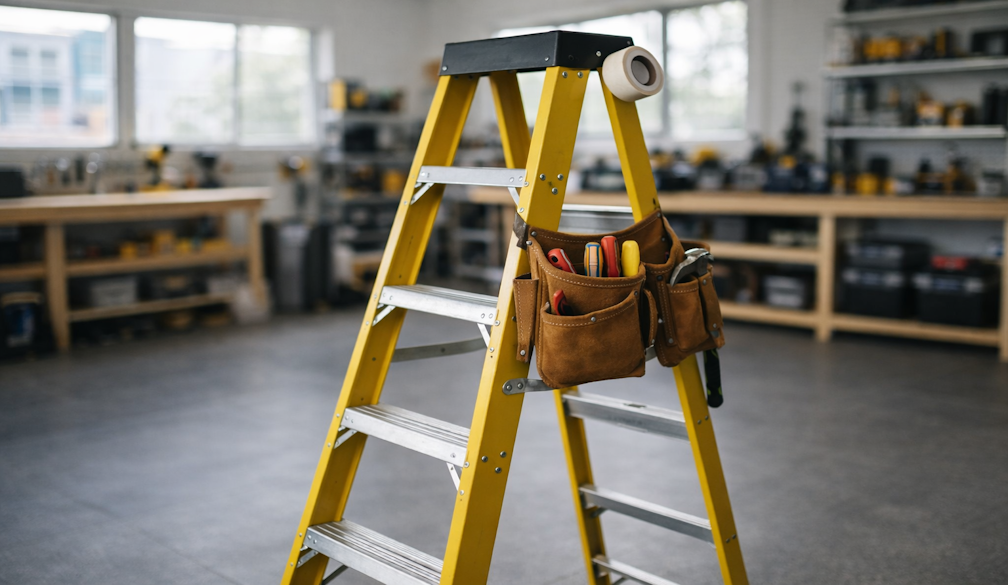
When it comes to working at height, the choice of equipment is a fundamental safety decision that goes beyond simple load ratings. While aluminium ladders are common due to their lightweight nature, they are not suitable for every environment. In industrial, electrical, and chemically sensitive workplaces, the material of the ladder itself is a critical safety feature.
A fibreglass ladder offers a unique combination of non-conductivity, structural rigidity, and environmental resistance that significantly reduces the risk of workplace accidents. Understanding the specific advantages of this material is essential for any organisation committed to high safety standards.
1. The Gold Standard for Electrical Safety
The most significant advantage of fibreglass over metal alternatives is its non-conductive property. Aluminium is an excellent conductor of electricity; if a metal ladder comes into contact with a live wire or an energised circuit, the entire structure becomes live, posing a fatal risk of electrocution to the user.
Fibreglass, or reinforced plastic, acts as a natural insulator. For electricians, utility workers, and maintenance teams working near overhead power lines or internal wiring, a fibreglass ladder is a mandatory safety requirement under many workplace health and safety (WHS) regulations. Even for non-electrical trades, using a non-conductive ladder provides an extra layer of protection against unforeseen electrical hazards, such as hidden wiring behind walls.
2. Superior Rigidity and Stability
Workplace falls are often caused by equipment instability or "ladder bounce." Aluminium ladders, while strong, have a degree of flex and "twist" when under heavy loads or when the user is moving near the top. This movement can be disorienting and may lead to a loss of balance.
Fibreglass is inherently more rigid. The pultruded sections used in high-quality ladders resist sways, turns, and flex, providing a more stable and secure feeling for the user. This increased "stiffness" is particularly beneficial on double-sided step ladders, where the added stability allows for more confident movement during complex tasks. When a worker feels stable, they are less likely to overreach or make sudden, jerky movements that lead to tips.
3. Resistance to Environmental and Chemical Stress
Industrial workplaces often involve exposure to harsh elements that can compromise the structural integrity of a ladder over time.
- Corrosion Resistance: Unlike metal, fibreglass does not rust or corrode when exposed to moisture, salt air, or many common industrial chemicals. This makes it the ideal choice for marine environments, food processing plants, and chemical storage areas.
- Temperature Resilience: Aluminium conducts heat and cold rapidly, making it uncomfortable or even dangerous to handle in extreme weather. Fibreglass remains "warm to the touch" in winter and does not heat up significantly under the summer sun, reducing the risk of burns or fumbles caused by discomfort.
- Structural Integrity: High-quality industrial ladders are treated with weather-resistant resins. While older or cheaper materials might degrade under intense exposure, modern fibreglass is designed to maintain its load-bearing strength without becoming brittle.
4. Durability and Long-Term Integrity
Ladders in a professional setting are subject to heavy use, transport, and occasional impacts. While aluminium can dent or bend—often subtly enough that the damage is missed during a casual inspection—fibreglass is highly resistant to impact damage. It maintains its dimensional stability over a longer service life, meaning the rungs and stiles remain square and true.
Furthermore, fibreglass does not suffer from the same "fatigue" issues as metal. An aluminium ladder that has been flexed thousands of times may develop microscopic stress cracks near the rivets or joints. A well-maintained fibreglass ladder retains its strength and "spring" for years, offering a better long-term return on investment for workplace safety.
Compliance with Australian Standards
For any ladder to be considered safe for a professional workplace in Australia, it must comply with the relevant standards. For reinforced plastic ladders, this is AS/NZS 1892.3. This standard ensures the ladder has undergone rigorous testing for load-bearing capacity, slip resistance, and electrical insulation.
By choosing equipment that exceeds these standards, employers demonstrate a proactive commitment to the well-being of their staff. While the initial investment in fibreglass may be higher than aluminium, the reduction in risk—particularly the elimination of electrical conductivity—makes it an indispensable tool for the modern, safety-conscious workplace.
References
- SafeWork Australia: National Code of Practice for Managing the Risk of Falls at Workplaces.
- Standards Australia: AS/NZS 1892.3:1996 Portable Ladders – Part 3: Reinforced Plastic.
- CSIRO (Commonwealth Scientific and Industrial Research Organisation): Research on advanced composite materials and pultruded fibreglass durability.
- Energy Networks Australia (ENA): Guidelines for the selection of equipment for work near electricity networks.