

Steel Plate Applications and Their Importance Across Modern Industries
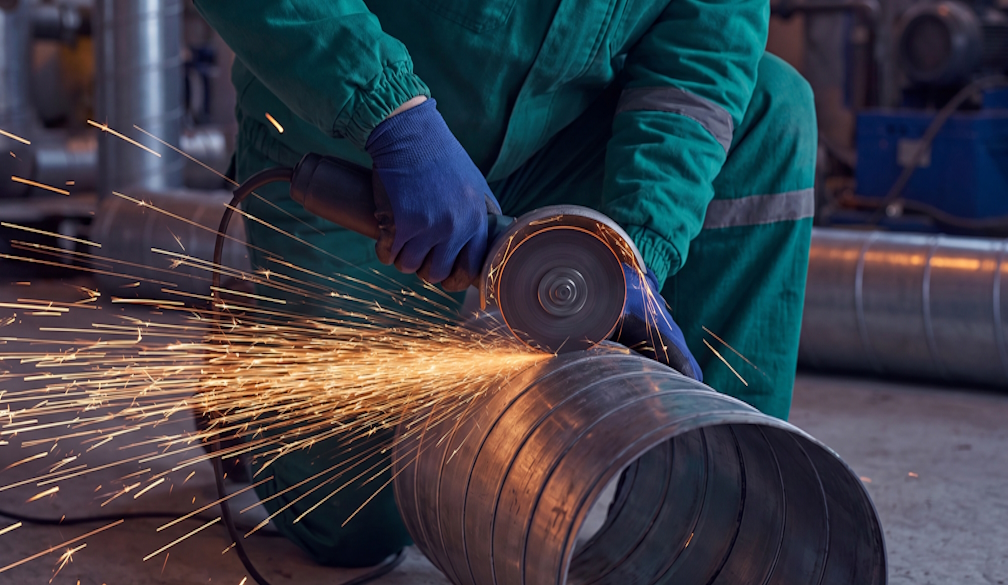
A high-quality steel plate is one of the most widely used materials in construction, manufacturing, mining, engineering, transport, and infrastructure projects. Known for its strength, durability, and versatility, steel plate serves as a fundamental component in countless applications where structural integrity and reliability are essential. From heavy industrial equipment to commercial buildings and transport systems, steel plate continues to play a critical role in supporting modern development.
As industries demand stronger and more efficient materials, steel plate remains a preferred choice because of its ability to perform under challenging conditions. Its adaptability allows engineers, fabricators, and manufacturers to utilise it in a wide range of projects while maintaining confidence in its performance.
Understanding Steel Plate and Its Uses
Steel plate is a flat steel product manufactured in various thicknesses and dimensions to suit different applications. It is commonly used where strength, load-bearing capacity, and durability are required.
Unlike lighter steel products, steel plate is designed to handle significant structural demands. Its versatility allows it to be cut, welded, formed, and fabricated into components that support a wide variety of industrial and commercial projects.
This flexibility makes steel plate a valuable resource across numerous sectors.
Why Strength Matters in Industrial Applications
Many industries operate in environments where materials are subjected to heavy loads, impact forces, and demanding operating conditions. Structural reliability is therefore a critical consideration during material selection.
Steel plate provides the strength required to support machinery, buildings, equipment, and infrastructure projects. Its ability to withstand significant stress while maintaining structural integrity makes it suitable for applications where failure is not an option.
Strong materials contribute to safer and more dependable outcomes.
The Role of Steel Plate in Construction
The construction industry is one of the largest users of steel plate products. Structural frameworks, support beams, foundations, and reinforcement components often rely on steel to provide strength and stability.
Steel plate is frequently used in commercial, industrial, and infrastructure projects where long-term durability is required. Its ability to perform reliably under varying environmental conditions contributes to its popularity within the construction sector.
Modern development projects continue to depend on steel plate for structural support.
Supporting Manufacturing and Fabrication
Manufacturers use steel plate to produce a wide range of products and equipment. Industrial machinery, storage tanks, processing equipment, transport components, and fabricated structures often begin with steel plate as a primary material.
Its workability allows fabricators to shape and modify the material according to project specifications. This adaptability helps manufacturers create customised solutions for diverse applications.
Steel plate remains an essential material within fabrication and engineering industries.
Applications in Mining and Heavy Industry
Mining and heavy industrial operations require materials capable of withstanding harsh conditions and demanding workloads. Equipment used in these environments must tolerate abrasion, impact, and continuous operation.
Steel plate is commonly used in the production of mining equipment, processing systems, protective structures, and heavy machinery components. Its durability contributes to longer equipment lifespan and improved operational reliability.
These characteristics make steel plate highly valuable in heavy-duty industries.
The Importance of Durability
Durability is one of the key reasons steel plate remains a preferred material across many sectors. Structures and equipment built using steel plate often experience long service lives while maintaining performance under challenging conditions.
Resistance to wear and mechanical stress helps reduce maintenance requirements and supports long-term asset reliability. Durable materials contribute to lower lifecycle costs and stronger return on investment.
For many organisations, durability is just as important as strength.
Supporting Infrastructure Development
Infrastructure projects such as bridges, transport systems, industrial facilities, and public works frequently utilise steel plate because of its structural performance and versatility. Despite its strengths, steel plate should not be neglected. Regular high rise maintenance and inspection services should be conducted regularly to ensure the safety of your structure.
As populations grow and infrastructure requirements increase, the demand for reliable construction materials continues to expand. Steel plate helps support projects designed to serve communities and industries for decades.
Its role in infrastructure development remains vital to economic growth and progress.
Factors to Consider When Selecting Steel Plate
Different applications require different steel specifications. Thickness, strength requirements, fabrication needs, and environmental conditions all influence material selection.
Choosing the appropriate steel plate helps ensure optimal performance while supporting project objectives. Engineers and fabricators often evaluate these factors carefully during the planning and design stages.
Proper material selection contributes to both efficiency and long-term reliability.
The Future of Steel in Industry
Steel continues to evolve through advancements in manufacturing processes and material technology. Modern production methods are helping improve quality, consistency, and performance characteristics across a wide range of steel products.
As industries focus on efficiency, sustainability, and innovation, steel plate will continue to play a major role in supporting industrial development. Its versatility ensures ongoing relevance across numerous applications.
Future projects will continue to benefit from the strength and adaptability that steel plate provides.
Conclusion
Steel plate remains one of the most important materials used across construction, manufacturing, mining, infrastructure, and industrial applications. Its combination of strength, durability, and versatility makes it suitable for projects where performance and reliability are critical. By selecting quality steel plate products, businesses can support long-term operational success while achieving strong structural outcomes.
For organisations seeking dependable materials capable of meeting demanding requirements, steel plate continues to be a trusted and valuable solution.