

What to Consider When Choosing an HD Plasma Cutter Service
Define the cutting requirement
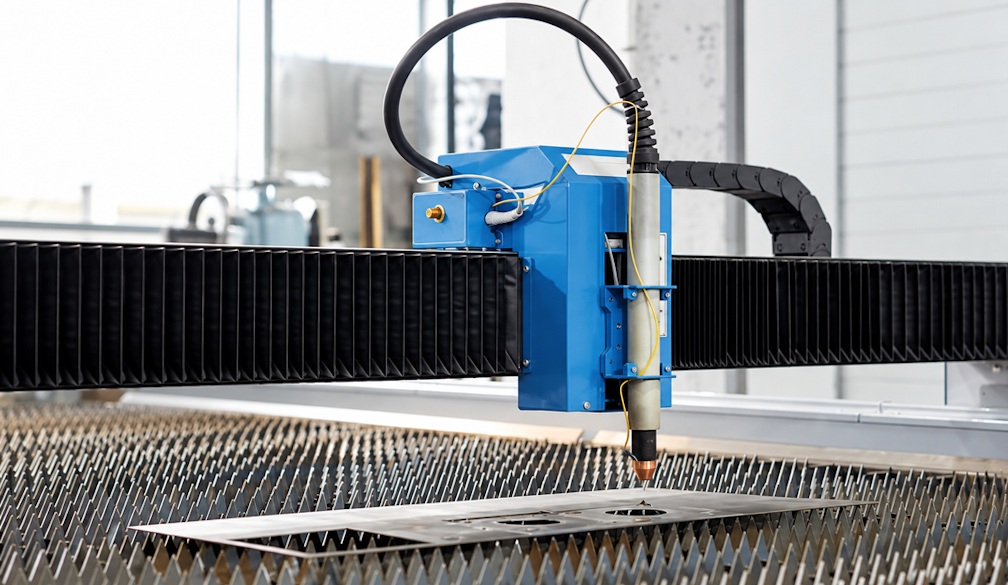
When a project requires accurately shaped steel components, the cutting method can have a direct effect on production planning and the next fabrication stage. An HD plasma cutter is designed for high-definition plasma cutting work, making the process relevant when steel plate needs to be converted into defined profiles before further fabrication. Australian Steel provides this service as part of its broader steel processing capabilities.
The material, thickness and profile all influence how a cutting job should be planned. Plasma cutting can be used as one of the steel profile cutting methods offered by Australian Steel, alongside oxy cutting and other processing options. Before production begins, it is sensible to confirm the plate grade, dimensions, drawing requirements and any tolerances that need to be maintained.
A major advantage of using an HD plasma cutter service through a steel processor is that cutting can be considered alongside other operations. Australian Steel offers services such as wash grinding, NC drilling, stress relieving, digitising, beveling, folding, pressing and rolling, as well as machining, welding and fabrication. This can be useful when a cut component needs additional work before it is ready for assembly. An experienced HD plasma cutter operator can also work from clear profile information when the component requires a defined shape.
Consider material and profile details
The quality of the digital profile is also an important part of the workflow. Accurate drawings and clear dimensional information help the cutting team understand the required shape before the plate is processed. For plasma cutting, supplying the correct drawing or profile information is therefore an important step in reducing avoidable revisions and ensuring the finished component follows the intended design.
Before cutting begins, the project team should make sure the profile information is complete and unambiguous. Dimensions, hole positions, edge details and any required bevels should be reflected in the supplied drawing. Clear information reduces the need for interpretation during production and gives the cutting operator a defined target. It also makes it easier to review the finished component against the original design.
The condition of the plate after cutting can matter just as much as the initial profile. Some components move directly to fabrication, while others require drilling, grinding, stress relieving or another preparation step. Planning these operations together can reduce unnecessary handling and make the overall production route easier to manage. It also provides a clearer understanding of when the component will be ready for the next manufacturing stage.
Treat cutting as part of fabrication
Supplier capability is therefore an important part of the purchasing decision. A business that can provide plate, cutting and related processing can support a more connected workflow. Australian Steel's service range includes several cutting and post-cutting operations, so customers can discuss the material and processing requirements together rather than treating each stage as a separate procurement task.
Project planning should also account for the material itself. Australian Steel supplies a variety of steel plate grades and thicknesses, including structural, high-strength, wear-resistant and boiler plate options. Matching the selected material to the cutting process and the final application helps create a more coherent manufacturing sequence, particularly when plasma cutting is only one stage of a larger fabrication job. Confirming the material and profile requirements with the HD plasma cutter provider before production helps keep the cutting stage aligned with the final component.
Choosing an HD plasma cutter provider is therefore about more than the cutting machine alone. It is useful to consider the supplier's plate stock, processing capability, experience with different grades and ability to support post-cutting requirements. Australian Steel's Braeside operation combines steel plate supply with a range of cutting and post-cutting services, allowing these requirements to be discussed together.
Treat cutting as part of fabrication
For businesses and fabricators ordering multiple components, this integrated approach can simplify communication between material selection and production. Clear drawings, confirmed dimensions, appropriate plate specifications and an agreed processing sequence give the cutting team a stronger basis for delivering the required profiles. Plasma cutting can then fit naturally into the wider fabrication process rather than being treated as an isolated step. For repeat work, documenting the required settings and profile information can make future HD plasma cutter jobs easier to brief and coordinate.
A cutting job is easier to manage when the supplier receives the information needed to understand both the profile and the finished component. Drawings should be current, dimensions should be clear and any secondary operations should be identified. This gives the cutting team a defined production brief and allows the customer to consider whether further work, such as drilling, grinding or stress relieving, should form part of the same order. Clear preparation is therefore an important part of achieving a practical cutting workflow.
Where profiles are produced in batches, consistent drawings and dimensions can help maintain uniformity between components. Reviewing the complete batch requirement before cutting also provides an opportunity to identify any shared drilling, finishing or fabrication requirements.