

Water Tanks: How to Choose Storage for Your Property
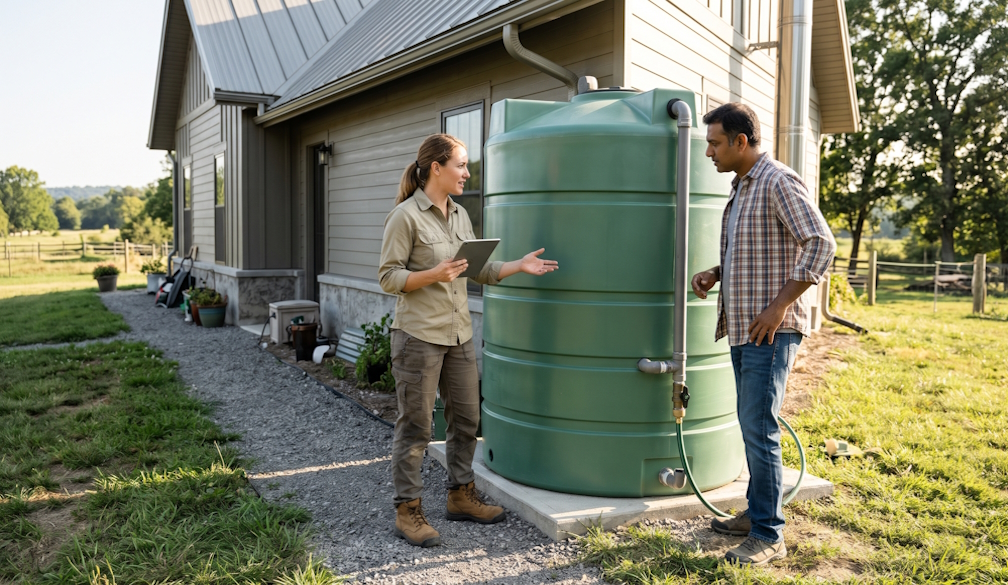
Water Tanks can provide dependable storage for properties that need to collect rainwater, hold a supplementary supply or manage water use more efficiently. The most suitable option depends on where the tank will be installed, the volume required and the way stored water will be used. Before purchasing, it is worth considering available space, access for delivery, the condition of the installation area and any local requirements. Oz Tanks can help buyers explore suitable options while they compare capacity, materials and product specifications.
A tank is not a one-size-fits-all purchase. A compact residential garden, a busy household, a workshop and a rural property can have very different storage needs. Starting with the intended application makes it easier to narrow the choices and avoid paying for capacity or features that are not needed. It also helps ensure that fittings, pipework and any pump are matched to the way the system will operate.
Define the purpose before choosing capacity
The first step is to identify what the stored water will be used for. Garden watering and outdoor cleaning may require a different setup from supplying toilets, laundry or other fixtures. Some properties use tanks as part of a rainwater collection system, while others may need storage for a specific operational purpose. Water Tanks should be sized against realistic demand and the supply available to refill them, rather than selecting the largest model that will fit. Well-chosen Water Tanks can support these uses when capacity and connections are matched to the property.
For rainwater collection, roof catchment area and local rainfall influence how much water can enter the tank. Consumption patterns determine how quickly the stored supply is used. If demand is high during dry periods, a larger capacity may offer more reserve, provided enough rainfall can be collected to fill it. Oz Tanks can be included in the comparison process, with buyers checking product dimensions and specifications against their own site measurements and expected use.
Compare tank materials and product specifications
Different tank materials have different strengths, maintenance considerations and installation requirements. Review the manufacturer's guidance for durability, intended use, exposure conditions and cleaning. Consider the tank's shape and footprint as well as its capacity: a slimline model may suit a narrow side passage, while a round tank may require a different arrangement of space and access. The product must also be compatible with the fittings and connections required for the application.
Check warranty terms, delivery conditions and any preparation requirements before placing an order. The site should be accessible for delivery and provide the stable base specified by the manufacturer. Leave enough room to inspect the tank and maintain filters or pipework later. Oz Tanks can help customers review available options, but installation details should be confirmed for the actual property rather than assumed from a product image or nominal capacity.
Plan the site and connections carefully
Tank placement affects both convenience and installation cost. Measure the intended area, check gates and access routes, and consider how the tank will connect to gutters, downpipes or the relevant supply line. Overflow needs particular attention because water released during heavy rainfall must be directed away from building foundations and areas where pooling could cause problems. Check boundary setbacks and council or building requirements before finalising the position.
A complete system may require inlet screens, leaf guards, filters, an overflow arrangement, a secure lid, taps and a pump. The exact components depend on the source of the water and how it will be delivered. Where stored water is connected to household plumbing, applicable plumbing standards and cross-connection protections must be followed. Use qualified tradespeople for plumbing and electrical work, and do not assume untreated rainwater is suitable for drinking without appropriate treatment and checks.
Keep stored water and equipment in good condition
Regular inspection can help identify small issues before they become costly repairs. Clear leaves from gutters, check screens and filters for blockages, and look for leaks around pipe connections. Keep lids secure to limit debris and unwanted access, and maintain the area around the tank so inspections remain straightforward. Pumps should be checked and serviced in line with the manufacturer's recommendations.
Water quality requirements depend on the intended use. Water used for gardens may need different handling from water supplied to indoor fixtures or drinking-water systems. If the supply looks, smells or tastes unusual, stop using it for sensitive purposes until the cause has been assessed. Oz Tanks owners should use the maintenance instructions provided for their particular tank and consult a qualified professional when repairs, cleaning or plumbing changes are needed.
Balance upfront cost with long-term suitability
When comparing Water Tanks, look beyond the initial price. Delivery, site preparation, installation, pipework, pumps, filters and ongoing maintenance all contribute to the total cost. A lower-priced tank may not be the best fit if it cannot be installed easily or does not support the intended application. Equally, buying far more storage than the property can use may not provide a worthwhile return.
A practical shortlist should compare capacity, dimensions, material, warranty, required accessories and installation conditions. Confirm delivery access and local requirements early, then match the final selection to the property's actual water needs. Oz Tanks can be considered as part of that research process, helping buyers review options before committing. With careful planning and regular care, Water Tanks can offer useful storage while supporting a more organised approach to water use.
