

Why Animal-Assisted Therapy Is Becoming a Key Part of Modern Mental Health Care
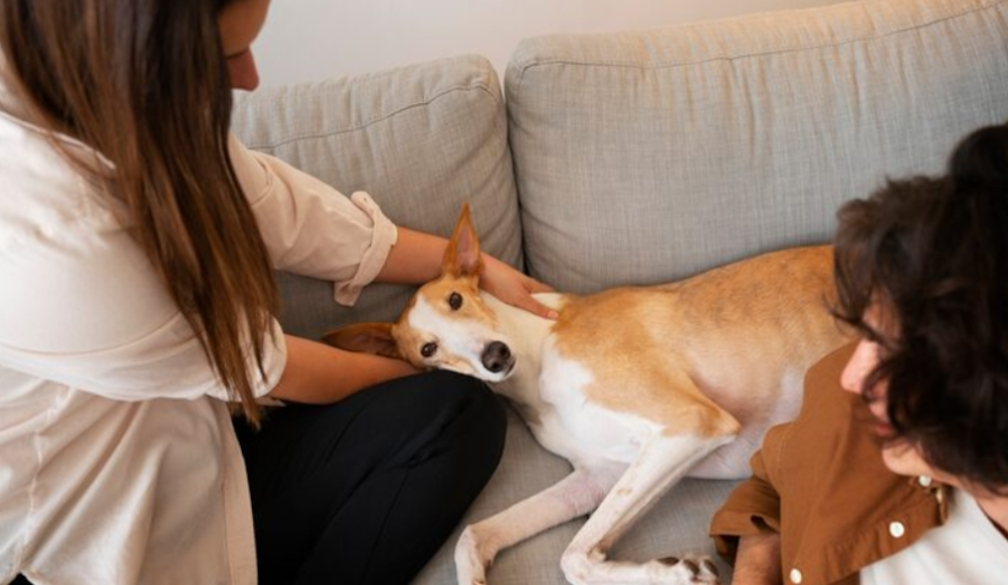
Over the past decade, more mental health professionals have begun to include animals in therapeutic settings. What was once viewed as an alternative or niche approach is now gaining wider acceptance in psychology and psychiatry. Animal therapy is being integrated into treatment plans to help reduce stress, improve mood, and support overall mental well-being. In Australia and other parts of the world, psychologists are increasingly recognising the value of animal-assisted therapy as a practical addition to traditional treatment methods. The growing interest is not simply based on trends or novelty. It is rooted in observable outcomes, patient feedback, and expanding research into how human interaction with animals affects emotional and psychological health.
Animal-assisted therapy, often referred to as AAT, involves structured interaction between a client and a trained animal under the guidance of a qualified therapist. The goal is not entertainment. It is to support mental health treatment in a way that feels natural, calming, and engaging. For many people, the presence of an animal lowers emotional barriers and creates a safe starting point for healing.
What Animal-Assisted Therapy Involves
Animal-assisted therapy is built around intentional interaction. It is not the same as owning a pet or casually spending time with animals. In a clinical setting, therapy animals are carefully selected and trained to remain calm, responsive, and predictable. Sessions are guided by clear therapeutic goals. The animal becomes part of a broader treatment plan designed to address anxiety, trauma, depression, behavioural challenges, or emotional development.
Different types of animals can be involved. Dogs are the most common due to their adaptability and ability to bond closely with humans. Cats may be present in some settings where their calm behaviour supports relaxation. Horses are used in equine-assisted therapy, particularly in programmes focused on building trust, emotional awareness, and confidence. Each type of animal offers a different experience, but the central idea remains the same. The interaction is structured to support mental health progress.
In many cases, the simple act of sitting with a therapy animal can reduce stress. Touching or stroking an animal can slow breathing and lower tension. For individuals who struggle to speak openly, the presence of an animal can make the room feel less formal and less intimidating. This shift in atmosphere often encourages communication.
A Look at the History Behind the Practice
The connection between humans and animals as a source of comfort is not new. Throughout history, people have recognised that animals can bring calm and companionship. However, the formal use of animals in psychological therapy began gaining attention in the 1960s. One of the early figures associated with this approach was Boris Levinson, a child psychologist who noticed that children in his sessions opened up more when his dog was present. What began as an observation gradually developed into structured research.
Since those early days, studies have expanded across different age groups and conditions. Researchers have examined how interacting with animals influences stress hormones, mood, and social behaviour. Over time, animal-assisted therapy has moved from being considered experimental to being recognised as a supportive therapeutic method.
Psychological and Emotional Benefits
One of the most widely reported benefits of animal-assisted therapy is reduced anxiety. Spending time with a calm animal can lower cortisol levels, which are associated with stress. At the same time, positive interaction may increase serotonin and oxytocin, chemicals linked to mood and bonding. These biological changes help explain why people often report feeling more relaxed and emotionally balanced after sessions involving animals.
Animals also offer a type of presence that feels steady and non-judgemental. Unlike humans, they do not criticise or question. For individuals who fear being misunderstood, especially those who have experienced trauma, this unconditional presence can be powerful. The sense of being accepted without pressure often makes it easier to begin discussing difficult topics.
Loneliness is another issue where animal-assisted therapy can make a difference. Many individuals struggling with depression or social isolation feel disconnected from others. Interaction with a therapy animal can reduce that sense of separation. Even short, structured sessions can provide moments of connection that gradually rebuild confidence in social interaction.
Supporting Children and Teenagers
Children and adolescents often respond strongly to animals in therapy. Young people who feel anxious in traditional counselling settings may become more engaged when a dog or other therapy animal is present. The animal can serve as a bridge between the therapist and the child, helping conversations flow more naturally.
For children on the autism spectrum, predictable and structured interaction with animals can be especially helpful. Therapy animals are trained to respond consistently, which provides a sense of stability. Children may practise communication skills, emotional regulation, and responsibility during sessions. Activities such as guiding a dog through simple commands or participating in supervised care tasks can build confidence and social awareness.
Teenagers facing anxiety, behavioural challenges, or emotional difficulties may also benefit. Adolescence is often a time when trust in adults can feel fragile. The presence of an animal can soften resistance and create a shared focus that makes discussion less direct and less confrontational.
Benefits for Adults and Older Individuals
Animal-assisted therapy is not limited to younger age groups. Adults coping with stress, trauma, or depression may find comfort in structured sessions that include animals. For individuals with post-traumatic stress disorder, interacting with a calm and responsive animal can reduce hypervigilance and promote grounding.
Older adults, particularly those in residential care or living alone, may experience reduced isolation through therapy sessions involving animals. Many elderly individuals have had pets earlier in life. Reconnecting with animals in a safe environment can bring back positive memories and provide emotional warmth.
The impact is not only emotional but also practical. Engagement with animals can encourage movement, conversation, and participation. These small actions can improve overall well-being and help maintain a sense of purpose.
How Animal-Assisted Therapy Is Delivered
Therapy sessions involving animals are carefully planned. The therapist determines how the animal will be integrated based on the client’s needs. In some cases, the animal may simply be present to create a relaxed setting. In others, specific activities are included to meet treatment goals.
Equine-assisted therapy, for example, often involves working with horses in a supervised outdoor setting. Horses are sensitive to body language and emotional cues. Clients may learn about trust, boundaries, and confidence by interacting with them. The size and strength of a horse also require clear communication, which can build assertiveness and self-awareness.
In clinical settings, dogs are often used to support talk therapy. A therapist may guide a client in observing the animal’s behaviour and connecting it to emotional themes. These structured exercises are designed to reinforce coping strategies and emotional understanding.
Scientific Support and Ongoing Research
Research into animal-assisted therapy continues to grow. Studies have shown reductions in stress and improvements in mood among participants who engage in structured animal interaction. Findings suggest that animal-assisted therapy can be especially helpful for individuals who do not respond well to traditional methods alone.
Neurophysiological research has explored how interaction with animals affects brain activity and hormone levels. Lower stress markers and improved emotional regulation have been observed in various studies. While animal-assisted therapy is not presented as a replacement for conventional treatment, it is increasingly recognised as a supportive addition.
Ethical and Practical Considerations
As animal-assisted therapy expands, ethical standards remain important. The welfare of therapy animals must be protected. Animals should be well trained, regularly assessed, and given appropriate rest. Their participation should never place them under stress.
Cultural considerations also matter. Not every individual feels comfortable around animals. Therapists must assess client preferences and boundaries before introducing animal interaction. Respect for personal beliefs and comfort levels is essential to maintaining trust.
Training standards for handlers and therapists are another key area. Consistency in certification helps ensure that both clients and animals are safe. Clear guidelines maintain the credibility of animal-assisted therapy as a professional practice.
The Growing Role of Animals in Mental Health Care
Animal-assisted therapy continues to gain recognition in modern psychiatry and psychology. As mental health challenges increase worldwide, professionals are exploring practical and compassionate ways to support patients. The inclusion of trained animals in therapeutic settings reflects a broader understanding of human emotional needs.
The bond between humans and animals is simple but powerful. When guided by trained professionals and supported by research, that bond can become a meaningful part of healing. As awareness grows and standards continue to develop, animal-assisted therapy is likely to remain an important option within mental health care, offering comfort, stability, and connection to people who need it most.