

Why Regular Visits To A Dentist Are Important For Oral Health
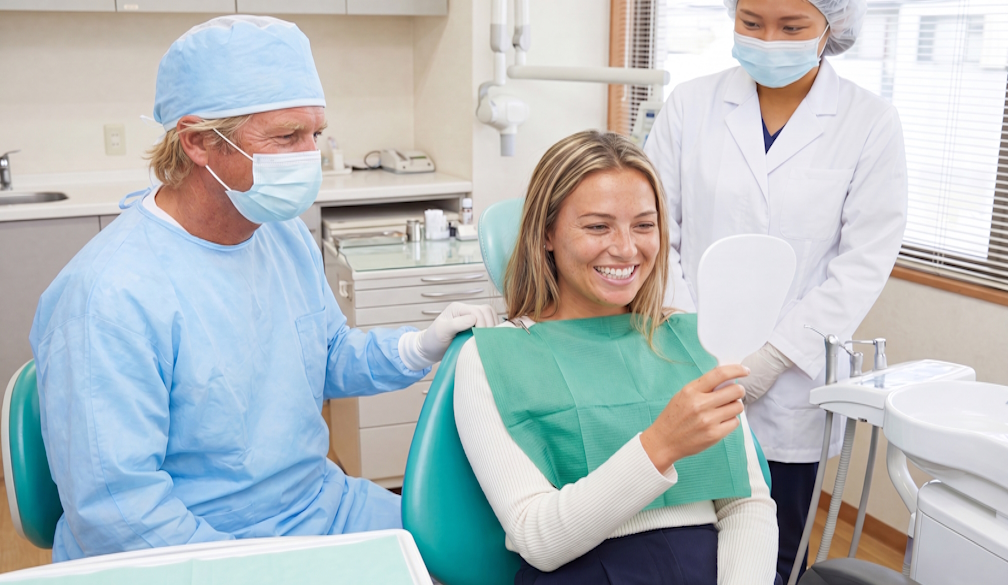
Maintaining healthy teeth and gums requires more than daily brushing and flossing. Regular visits to a professional Dentist help prevent oral health problems, detect issues early, and support long-term dental wellbeing. Professional dental care plays an important role in keeping teeth strong, reducing the risk of gum disease, and maintaining overall oral hygiene throughout different stages of life.
Many dental problems develop slowly and may not cause immediate pain or visible symptoms. Cavities, gum disease, and infections can progress over time without being noticed during regular home care routines. Routine dental check-ups allow dentists to identify these issues early before they become more serious and require extensive treatment. Early intervention often helps patients avoid discomfort, tooth damage, and higher treatment costs later.
Modern dentistry also focuses on preventive care rather than only treating existing problems. Dentists provide professional cleanings, oral examinations, and personalised recommendations that help patients improve daily dental habits. This proactive approach supports healthier smiles while reducing the likelihood of major dental complications in the future.
How Preventive Dental Care Protects Teeth
Preventive care is one of the most effective ways to maintain long-term oral health. Regular dental examinations help monitor teeth, gums, and overall mouth condition while identifying early signs of decay or infection. Professional cleaning removes plaque and tartar buildup that cannot always be fully removed through brushing alone.
Preventive care also reduces the risk of gum disease, which is one of the most common oral health problems among adults. Gum disease may begin with mild inflammation but can eventually lead to tooth loss if left untreated. Routine visits allow dentists to identify warning signs early and recommend treatment before the condition worsens.
Dentists also provide advice tailored to each patient’s specific needs. Recommendations regarding oral hygiene techniques, dietary habits, and dental products help patients maintain healthier teeth and gums between appointments. These small daily improvements can significantly reduce future dental problems.
The Role Of Modern Technology In Dentistry
Dental technology has advanced considerably over recent years, improving both treatment accuracy and patient comfort. Modern clinics now use digital imaging, advanced diagnostic tools, and updated treatment methods that allow dentists to provide more precise and efficient care.
Digital X-rays help dentists identify hidden problems such as cavities, infections, or bone loss that may not be visible during standard examinations. Early diagnosis allows for faster treatment planning and better long-term outcomes. Modern equipment also helps reduce discomfort during many dental procedures.
Technology has also improved cosmetic and restorative treatments. Procedures such as crowns, fillings, implants, and teeth whitening are now more precise and natural-looking than before. Patients can achieve healthier and more confident smiles with treatments designed to restore both function and appearance.
Why Oral Health Affects Overall Wellbeing
Oral health is closely linked to overall physical health and quality of life. Untreated dental infections or gum disease can affect other areas of the body if left unmanaged. Maintaining healthy teeth and gums helps support better overall wellbeing while reducing potential health complications.
Dental health also influences confidence and social interactions. People who experience missing teeth, discolouration, or oral discomfort may feel self-conscious when speaking or smiling. Proper dental care helps improve appearance and comfort, allowing patients to feel more confident in personal and professional settings.
Good oral health also supports better nutrition. Damaged teeth or gum pain can make chewing difficult, which may affect eating habits and dietary choices. Healthy teeth allow patients to eat comfortably and maintain balanced nutrition more effectively.
How Regular Dental Visits Save Time And Costs
Delaying dental treatment often allows minor problems to become more severe over time. Small cavities can develop into infections, and untreated gum disease may lead to tooth loss or more complex procedures. Regular dental visits help detect issues early, making treatment simpler and more affordable.
Preventive care is generally less expensive than extensive restorative procedures. Routine cleanings and examinations help reduce the risk of emergency treatments or major dental work later. Patients who maintain regular appointments often experience fewer serious oral health problems over time.
Consistent dental care also allows dentists to track changes in oral health and monitor previous treatments. Long-term dental records help support more personalised treatment planning while improving the overall quality of care patients receive.
The Importance Of Choosing The Right Dentist
Choosing a trusted dentist helps patients feel more comfortable and confident about maintaining regular dental care. Experienced dental professionals provide personalised treatment recommendations while creating supportive environments for patients of different ages and needs.
Many people experience dental anxiety, which can prevent them from seeking treatment when necessary. Dentists who focus on communication, patient comfort, and gentle care often help reduce stress during appointments. Comfortable experiences encourage patients to continue prioritising oral health consistently.
Long-term relationships with dental professionals also improve continuity of care. Dentists who understand a patient’s history can provide more effective treatment planning and preventive guidance over time. Regular professional care supports healthier teeth, improved confidence, and stronger oral health outcomes for the future.