

Modern Businesses Looking for More Efficient Fulfilment Solutions
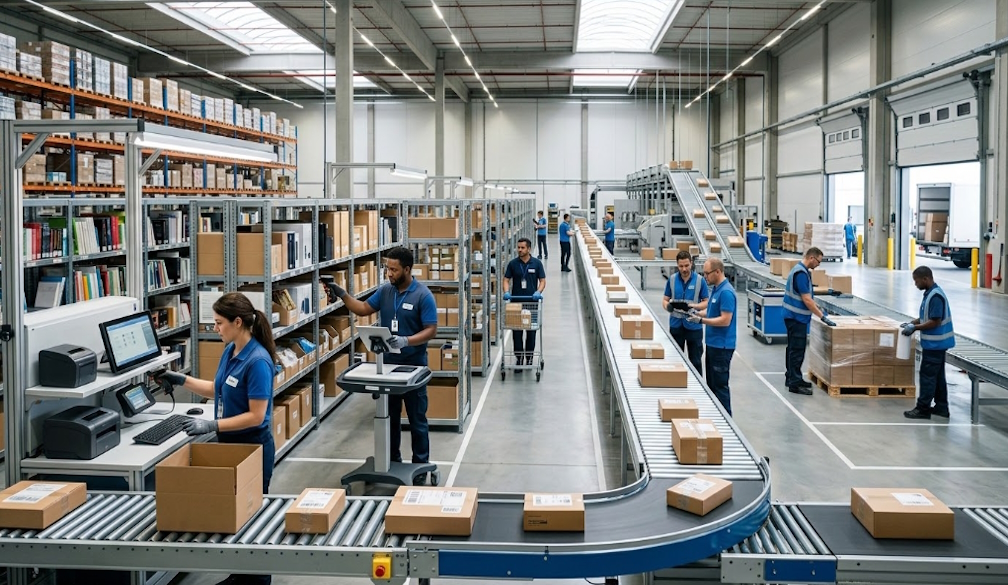
The rapid expansion of the global e-commerce marketplace and shifting consumer expectations have completely altered the mechanics of modern retail distribution. Today, corporate enterprises face intense pressure to deliver customer orders with unprecedented speed, absolute accuracy, and minimal overhead costs. For many expanding organisations, managing everyday warehousing operations, complex inventory tracking, and final mile transport internally rapidly transforms into a major operational bottleneck. Attempting to balance core business growth with the intricate physical logistics of fulfilment can quickly exhaust corporate resources and stall commercial momentum across the entire organisation.
As market demands continue to scale rapidly, forward-thinking enterprises must transition away from fragmented, manual supply chain frameworks. Relying on legacy storage facilities and basic courier networks introduces significant vulnerability to shipping delays, inventory inaccuracies, and administrative errors. Achieving long-term operational resilience requires commercial brands to look beyond traditional in-house management and embrace advanced outsourced models that leverage highly automated warehouse networks and integrated data systems.
The Evolving Role of Contract Logistics
For businesses navigating initial scaling challenges, outsourcing storage and distribution functions to an experienced partner represents a vital strategic step. Entrusting complex inventory management to a specialised third-party infrastructure helps businesses eliminate the massive capital expenditure required to lease large warehouses, purchase material handling equipment, and maintain dedicated logistics staff.
Engaging a certified 3pl logistics provider provides corporate brands with instant access to highly optimised supply chain resources. These specialised operations deploy advanced warehouse management systems that track inventory counts in real time, preventing costly overstocking or stockout situations. By routing shipments through established carrier networks, outsourced fulfilment hubs can secure volume discount shipping rates that would be completely inaccessible to an independent business, dramatically lowering the total cost per delivery. This allowing smaller brands to compete effectively with industry giants on equal terms while preserving valuable corporate capital.
Transitioning From Execution to Strategic Integration
While traditional third-party setups handle the physical receipt, storage, and dispatch of inventory flawlessly, highly complex or rapidly evolving supply chains often require an extra layer of oversight. As a corporate footprint expands across multiple regional markets, managing various isolated service providers can introduce communication friction and data blind spots.
This operational complexity has driven the modern transition toward fourth-party logistics management. Where a standard partner focuses on executing daily physical warehousing tasks, an integrated management framework steps back to oversee the entire logistics ecosystem. This advanced model acts as a single, centralised point of contact, utilising predictive analytics to evaluate carrier performance, optimise multi-warehouse inventory allocation, and continuously refine supply chain architecture to counter shifting market dynamics. This strategic alignment successfully bridges the gap between daily baseline operations and high-level business goals, ensuring every moving asset operates with absolute efficiency across global corridors.
Securing a Highly Adaptive Operational Base
Ultimately, reinforcing the efficiency of your delivery framework is an investment in consumer loyalty and long-term business scalability. Continuing to rely on outdated, resource-draining fulfilment processes exposes an enterprise to unnecessary operational risks and limits its competitive capabilities in a fast-paced retail landscape.
By integrating your brand with a sophisticated, data-driven logistics network, you remove the daily physical friction that threatens corporate productivity. Prioritising comprehensive fulfilment integration protects your inventory investments, satisfies consumer delivery demands, and establishes a highly stable, agile foundation for your long-term commercial success. Embracing these integrated platforms successfully transforms your logistics pipeline into a powerful competitive tool, allowing your enterprise to navigate shifting consumer trends and sudden economic changes with seamless clarity, reduced lead times, lowered operational costs, and absolute operational confidence across all active supply chains. This disciplined approach guarantees your business stays ahead of market movements smoothly.