

From Pool Surrounds to Patio: Where Concrete Resurfacing Makes the Biggest Difference
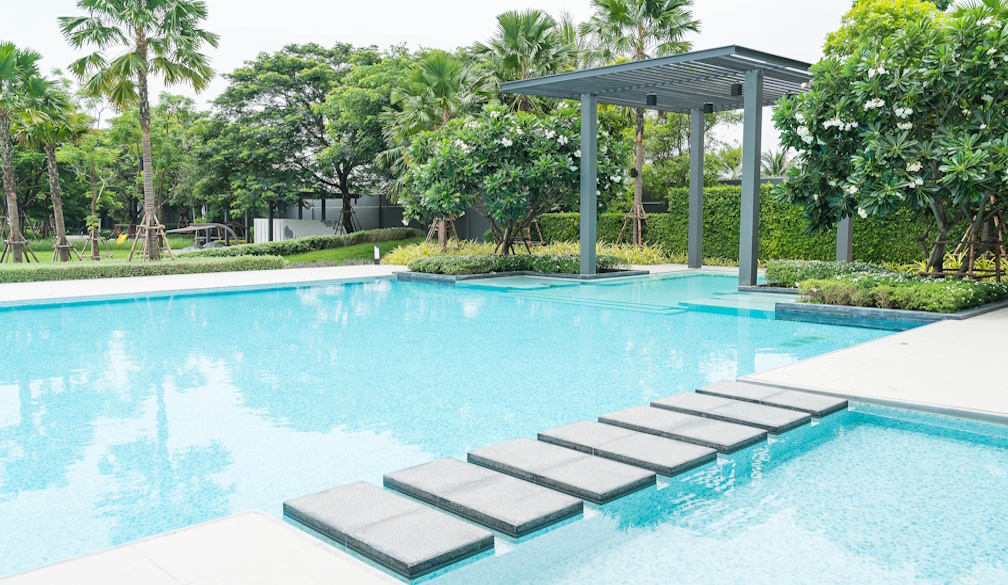
Concrete doesn't fail overnight. It's a slow fade — a crack here, a stain there, or a patch that goes slippery when it rains.
The fix isn't always a full replacement. More often than not, resurfacing does the job for a fraction of the cost, and it's worth knowing where it makes the biggest difference around the house.
Pool Surrounds Take the Biggest Beating
Nowhere cops more punishment than the ground around a pool.
Chlorine splashes, sunscreen, wet feet, salt if you've got a saltwater system — it all adds up. Plain concrete around a pool tends to go rough and pitted, or worse, glassy smooth in patches, which is exactly what you don't want when someone's running for the water with wet feet.
This is where a proper swimming pool paving pays for itself. A textured or pebbled overlay gives real grip, even when soaked. It also runs cooler underfoot than dark, sealed concrete, which matters once the mercury climbs past 30.
Shift the colours and the whole yard looks upgraded — no pool construction required!
Your Driveway Does More Talking Than You Think
Your driveway is the first bit of your house anyone sees, and tired concrete out front undercuts everything else you've done to the place.
Resurfacing sorts that out without a jackhammer in sight. Cracks get filled, stains disappear under the new layer, and you've got the option to go with a stencilled pattern or a simple broom finish for extra grip.
It's one of the cheapest ways to lift kerb appeal. If a sale's on the cards down the line, it tends to punch well above its cost.
The Patio Is Where the Real Living Happens
Barbecues, birthday parties, that first coffee outside on a Saturday morning — patios earn their keep.
They also take a beating: furniture scrapes, constant foot traffic, years of sun bleaching the surface out. Most patios crack or fade long before anyone gets around to fixing them.
A patio resurfacing changes the feel of a backyard completely. Smooth, even, and in a finish that actually suits the house, rather than whatever was poured twenty years ago.
A lot of homeowners match the patio to the pool surrounds while they're at it (same colour, same texture), and it makes a modest yard feel a good deal bigger than it is.
What Resurfacing Actually Involves
It’s simple: the old surface gets cleaned up, cracks and low spots get patched, then a new layer goes on top — usually a polymer overlay or a pebble finish, depending on where it's going.
It bonds straight to the existing slab. No demolition, no skip bin full of broken concrete. Most jobs wrap up in a few days rather than dragging on for weeks.
Hence, resurfacing is the smartest way to hit the reset button on your outdoor spaces. Get a high-end transformation without the nightmare price tag of a full-scale rebuild.
Conclusion
Not every finish suits every spot.
Around the pool, slip resistance matters more than anything else. Out front, it's more about durability and looking sharp from the street. On the patio, it's often about staying cool underfoot through summer while still handling years of chairs being dragged across it.
Getting the finish right the first time saves doing the whole job again sooner than you'd like.
If you're looking for a finish designed to handle the Aussie sun and everything else, The Pebble Mix Company is one example of a business working across pools, patios, and driveways. Their pebble finishes are designed to stay cool, stay put, and maintain their appearance over time after the job's done.