NewsPronto

 
Times Advertising


.

The Conversation

The US has long used economic coercion to achieve foreign policy goals — the war in Iran shows how that power has declined

  • Written by Charmaine N. Willis, Assistant Professor of Political Science, Old Dominion University

imageThe Iranian closure of the Strait of Hormuz has largely brought oil traffic to a halt, hitting petroleum-exporting countries hard. Asghar Besharati / Getty Images

Two months after the United States, along with Israel, launched a war against Iran, that conflict appears far from a lasting resolution.

Much commentary on the protracted nature of the...
Read more: The US has long used economic coercion to achieve foreign policy goals — the war in Iran shows how...

How much should politics influence science, and vice versa? National Science Board’s ousting resurrects an existential debate

  • Written by Caroline Wagner, Professor of Public Affairs, The Ohio State University
imageThe governing structure of the National Science Foundation partially insulated science from political control.Evgeny Gromov/iStock via Getty Images Plus

“On behalf of President Donald J. Trump,” read 22 emails sent from the White House Presidential Personnel Office on Friday afternoon, April 24, 2026, “I am writing to inform you...

Read more: How much should politics influence science, and vice versa? National Science Board’s ousting...

Supreme Court considers how much states can protect consumers when federal agencies won’t

  • Written by Sarah J. Morath, Professor of Law and Associate Dean for International Affairs, Wake Forest University
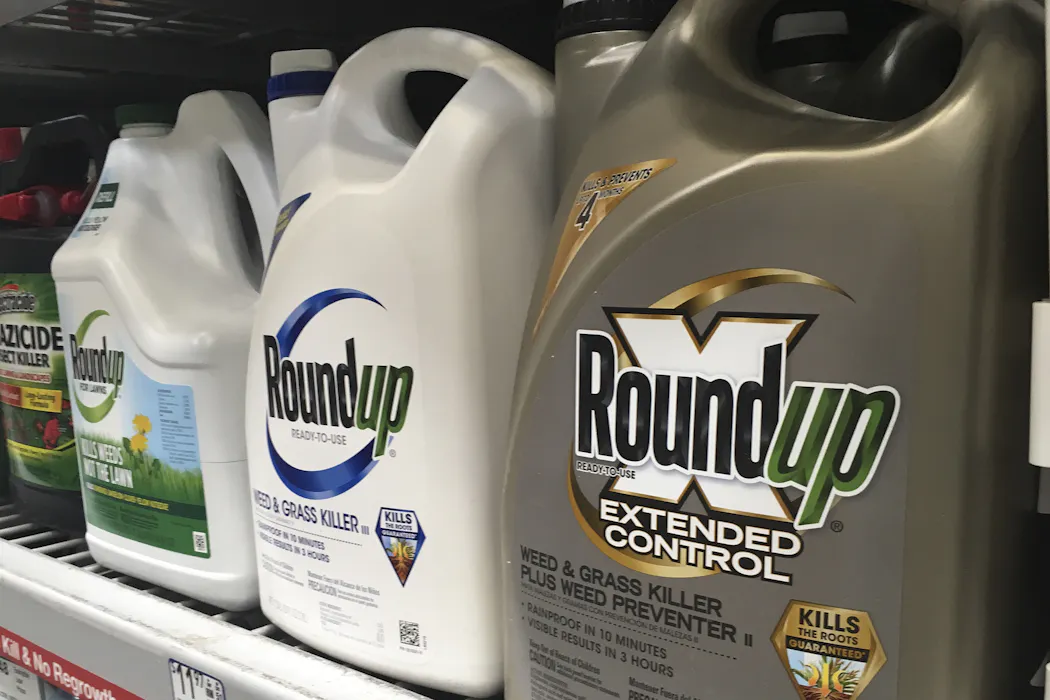
imageAs of April 2026, the U.S. government has not required a warning label on Roundup weed killer.AP Photo/Haven Daley

Chemical giant Monsanto has argued for years that if the U.S. Environmental Protection Agency approves a pesticide label without requiring a cancer warning, states cannot hold its manufacturer liable in court for failing to warn...

Read more: Supreme Court considers how much states can protect consumers when federal agencies won’t

Supreme Court geofencing case weighs constitutionality of digital dragnets – and how far your rights go in the data Big Tech collects on you

  • Written by Anne Toomey McKenna, Affiliated Faculty Member, Institute for Computational and Data Sciences, Penn State
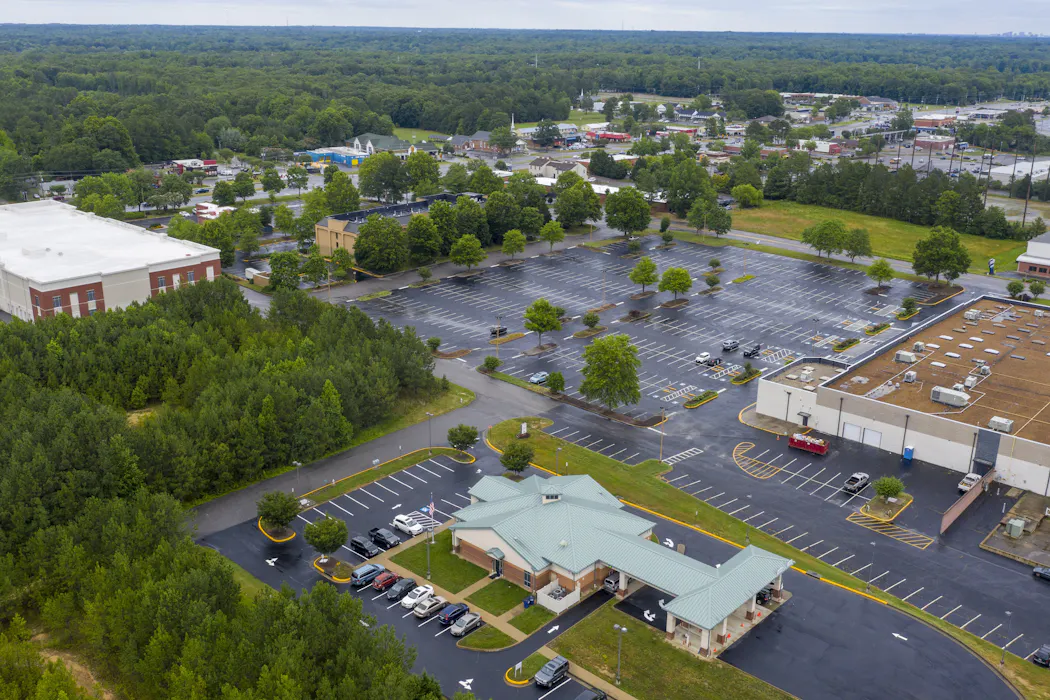
imagePolice got cellphone data for many people who happened to be in this area near the time of a bank robbery.AP Photo/Steve Helber

Google tracks the vast majority of cellphones in the United States, collecting your location, usage and device data through installed software and apps. The tracking occurs by various autonomous processes you cannot see or...

Read more: Supreme Court geofencing case weighs constitutionality of digital dragnets – and how far your...

Supreme Court considers whether police can use Big Tech data to capture info from all cellphone users in a place and time

  • Written by Anne Toomey McKenna, Affiliated Faculty Member, Institute for Computational and Data Sciences, Penn State
imagePolice got cellphone data for many people who happened to be in this area near the time of a bank robbery.AP Photo/Steve Helber

Google tracks the vast majority of cellphones in the United States, collecting your location, usage and device data through installed software and apps. The tracking occurs by various autonomous processes you cannot see or...

Read more: Supreme Court considers whether police can use Big Tech data to capture info from all cellphone...

Supreme Court’s Voting Rights Act ruling makes it harder to protect minority voting power and alters the landscape of future elections

  • Written by Sam D. Hayes, Assistant professor of politics and policy, Simmons University
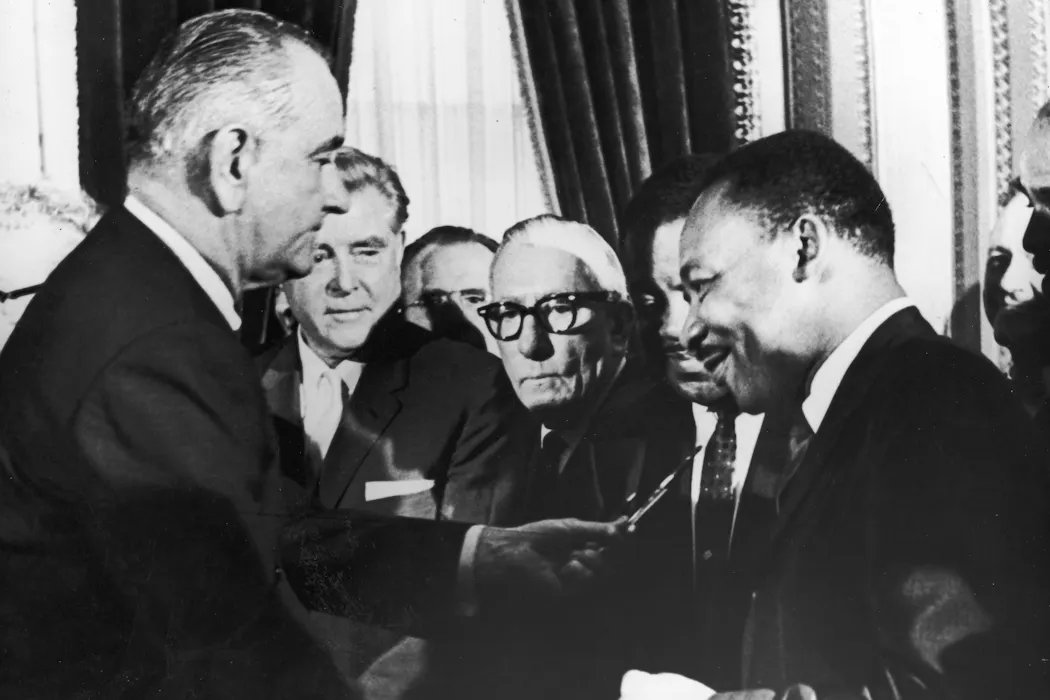
imagePresident Lyndon Johnson hands a pen to civil rights leader Rev. Martin Luther King Jr. during the signing of the Voting Rights Act in Washington, D.C., on Aug. 6, 1965. Hulton Archive, Washington Bureau/Getty Images

In a major ruling that would permit weakening the voting power of minorities in the United States, the Supreme Court on April 29,...

Read more: Supreme Court’s Voting Rights Act ruling makes it harder to protect minority voting power and...

Students are taught to hide in closets and under tables if there is a school shooting – but does practicing for this possibility keep kids safe?

  • Written by James Densley, Professor of Criminal Justice, Metropolitan State University
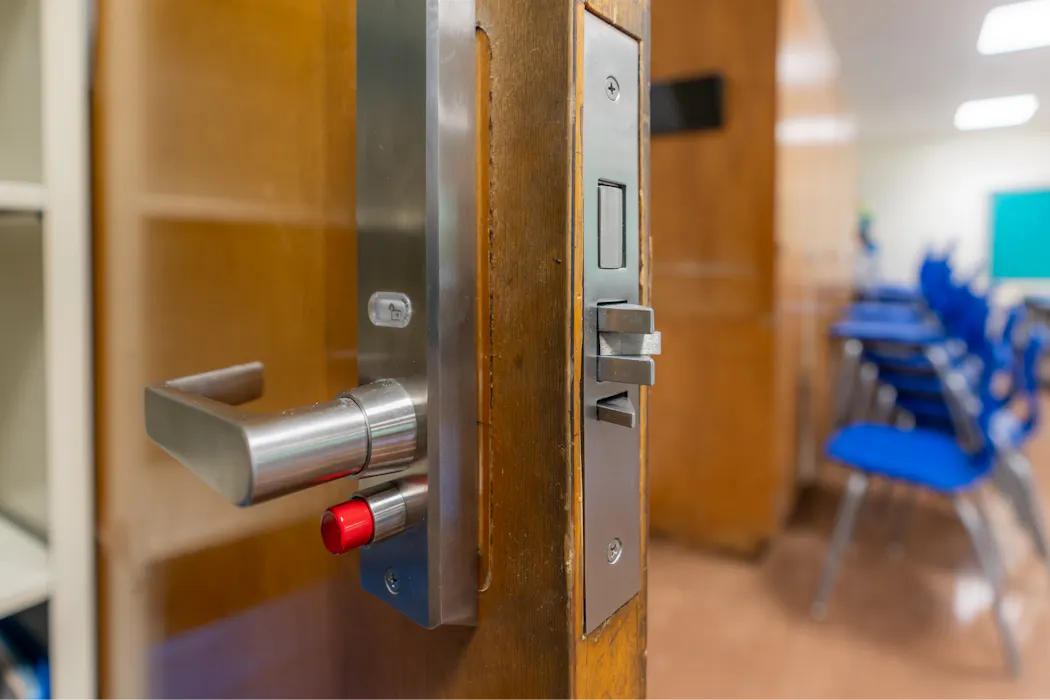
imageMost schools do lockdown drills, but there is not any federal guidance on the best approach to this practice. TW Farlow/iStock/Getty Images Plus

There have been 63 school shootings – meaning any time there is gunfire on a school campus – so far in 2026.

They happen so often that preparing for one has become normal. Students as young as...

Read more: Students are taught to hide in closets and under tables if there is a school shooting – but does...

Can the nearly $1 trillion-a-year US military really be depleting key weapons in Iran?

  • Written by Michael A. Allen, Professor of Political Science, Boise State University
imageThe guided-missile destroyer USS Frank E. Petersen Jr. fires a Tomahawk missile during Operation Epic Fury on Feb. 28, 2026. U.S. Navy via AP

The fragile U.S.-Iran ceasefire announced on April 7, 2026, after 40 days of war came at an opportune time for the United States. Several reports indicate it is running out of weapons amid the conflict.

As a...

Read more: Can the nearly $1 trillion-a-year US military really be depleting key weapons in Iran?

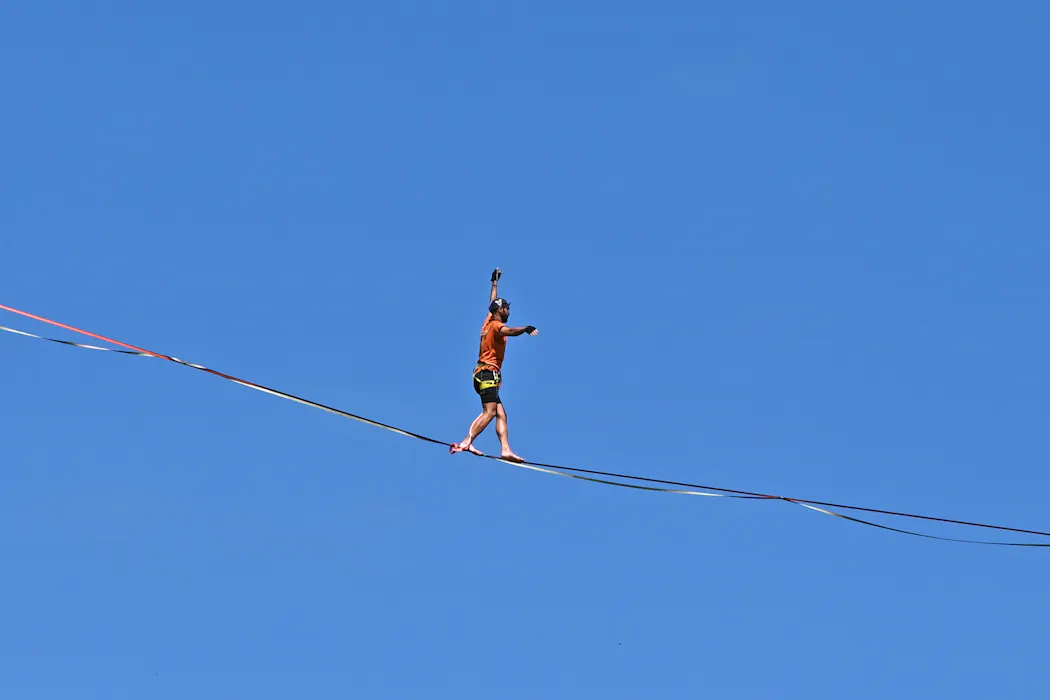
What courage is, how to build it and why you should take a risk

  • Written by Gregory Crawford, President, Miami University
imageCourage demands that we evaluate an action's goals and risks.Elisa Schu/picture alliance via Getty Images

From ancient epics to contemporary headlines, humans have spent centuries canonizing courage as a rare and admirable virtue. Aristotle writes, “You will never do anything in this world without courage.” But what does it really mean...

Read more: What courage is, how to build it and why you should take a risk

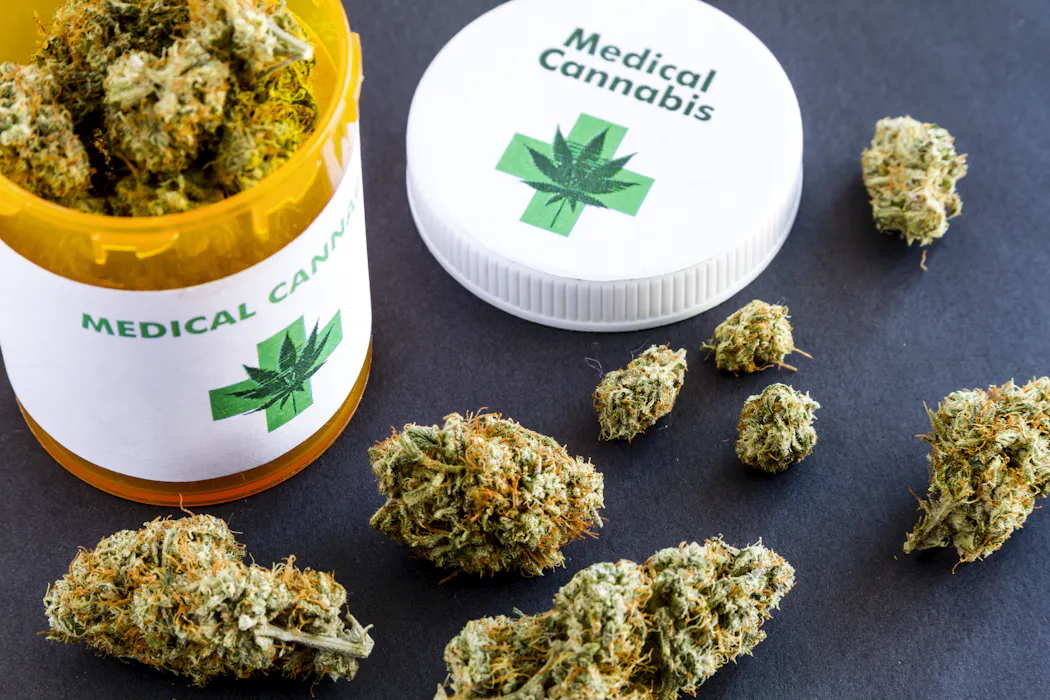
Reclassification of marijuana opens doors for much-needed medical research into the benefits and risks of the drug

  • Written by Carey S. Cadieux, Associate Professor of Nursing, Binghamton University, State University of New York
imageThe new federal classification of marijuana regulates only medical use; recreational use is still determined by state laws.tvirbickis/iStock via Getty Images Plus

When the U.S. Department of Justice moved to reclassify medical marijuana to a Schedule III drug on April 23, 2026, it set the stage for a vast amount of medical research that has been...

Read more: Reclassification of marijuana opens doors for much-needed medical research into the benefits and...

More Articles ...

  1. Stockings once worn by Philly’s wealthiest man show the value of women’s mending in early America
  2. Thousands of employed Colorado workers need SNAP benefits to make ends meet
  3. Trump’s Medicaid fraud crackdown may sound sensible, but it could harm Americans who require long-term care
  4. The race to mine critical minerals for AI and clean energy is creating ‘sacrifice zones’ that harm water and health of world’s poor
  5. UAE’s OPEC exit has been long in the works – and may mark the beginning of a Gulf realignment
  6. Facial recognition data is a key to your identity – if stolen, you can’t just change the locks
  7. More than 140,000 Americans die from COPD each year – here’s why survival depends on more than avoiding smoking
  8. Wearable glucose monitors offer real-time data, but for healthy people no guidelines exist to interpret the numbers
  9. How the concept of ‘medical freedom’ is reshaping the military’s decades-long stance on the flu vaccine mandate − and endangering troops’ readiness
  10. Reading gains in Alabama, Mississippi and Louisiana are often touted, but don’t show full picture of literacy
  11. Tapping your genome with AI and quantum computing could deliver on the promise of personalized medicine – but practical and ethical hurdles remain
  12. Your local storm forecast is likely based on weather miles away – we’re trying to bring it closer to home
  13. Why is water wet?
  14. Potential signs of life on distant planets sound exciting – but confirmation can take years
  15. Perseverance doesn’t always pay off for companies – sometimes it’s better to ‘fail fast’
  16. Texas proposes Bible readings for K-12 students, reigniting century-old legal battle over their place in public schools
  17. Donkeys are a symbol of endurance for Palestinians – they are also a target of settler violence and care
  18. America’s founding promise of religious freedom has long coexisted with prejudice, even as many Christians have worked to confront it
  19. Older Americans who vote live longer than those who don’t – new research
  20. Sora’s downfall signals broader problems with AI’s creative utility
  21. Latest attack threatening President Trump reflects rising political violence in US
  22. What to know about sex trafficking as Pittsburgh hosts the NFL draft
  23. Justice Department’s effort to strip citizenship from naturalized Americans could face widespread judicial pushback
  24. What the Declaration of Independence does – and doesn’t – say about God
  25. Meloni and Trump’s cooling relationship marks the failure of an EU-MAGA middle ground
  26. ‘Just war’ has guided Catholic thinking on conflict for centuries – including criticism of Iran war
  27. Boom in cremation hides surprising truths about what Americans really want when they die
  28. You probably wouldn’t notice if an AI chatbot slipped ads into its responses
  29. What is black garlic? How heat and humidity turn a pungent ingredient mild and slightly sweet
  30. ‘Affordable’ Pittsburgh doesn’t have enough affordable housing – here’s why
  31. China surpasses US in research spending – the consequences extend far beyond scientific ranking and clout
  32. Trump administration’s indictment of the Southern Poverty Law Center breaks with norms – and may lack evidence of criminal wrongdoing
  33. Why the Southeast is burning – extreme drought is only part of the reason
  34. Why the Southeast is burning – extreme drought is only part of the cause
  35. Supreme Court’s ‘shadow docket’ brings hasty decisions with long-lasting implications, outside of its usual careful deliberation
  36. School gardens help students learn science and connect with agriculture – but making them happen isn’t easy
  37. The new brain break app for Philadelphia students raises questions about more screen time
  38. Many churches, synagogues and mosques are built around families – and they’re struggling to respond to rising singles
  39. New reading textbooks, same problem: Why children’s reading scores in the US aren’t rising
  40. What we lose when artificial intelligence does our shopping
  41. If Justice Alito resigns before the midterms, a Trump nominee to the Supreme Court is likely to sail through confirmation
  42. Extreme rain on snow is testing aging dams across Michigan and Wisconsin – this is the future in a warming world
  43. Heavy rain on snow is testing aging dams across Michigan and Wisconsin – this is the future in a warming world
  44. Sorry, Tampa Bay, mixed-use districts don’t reverse the dismal economics of sports venues
  45. Chernobyl at 40: Secret Stasi files reveal extent of Soviet misinformation campaign over nuclear disaster
  46. What a Muslim folk trickster can teach us about the danger of holding a single worldview
  47. Rotavirus cases in children are rising – but a highly effective vaccine has slashed hospitalizations from the virus by 80% in 2 decades
  48. Is Trump heading to a Pyrrhic victory in Iran?
  49. High school yearbooks focus on the fun students had, obscuring the pain people also experienced
  50. HEPA air purifiers may boost brain power in adults over 40 – new research