

NewsPronto

 
The Times


.

USA Conversation

The Conversation USA

The Conversation USA

Revisiting the story of Clementine Barnabet, a Black woman blamed for serial murders in the Jim Crow South

  • Written by Lauren Nicole Henley, Assistant Professor of Leadership Studies, University of Richmond
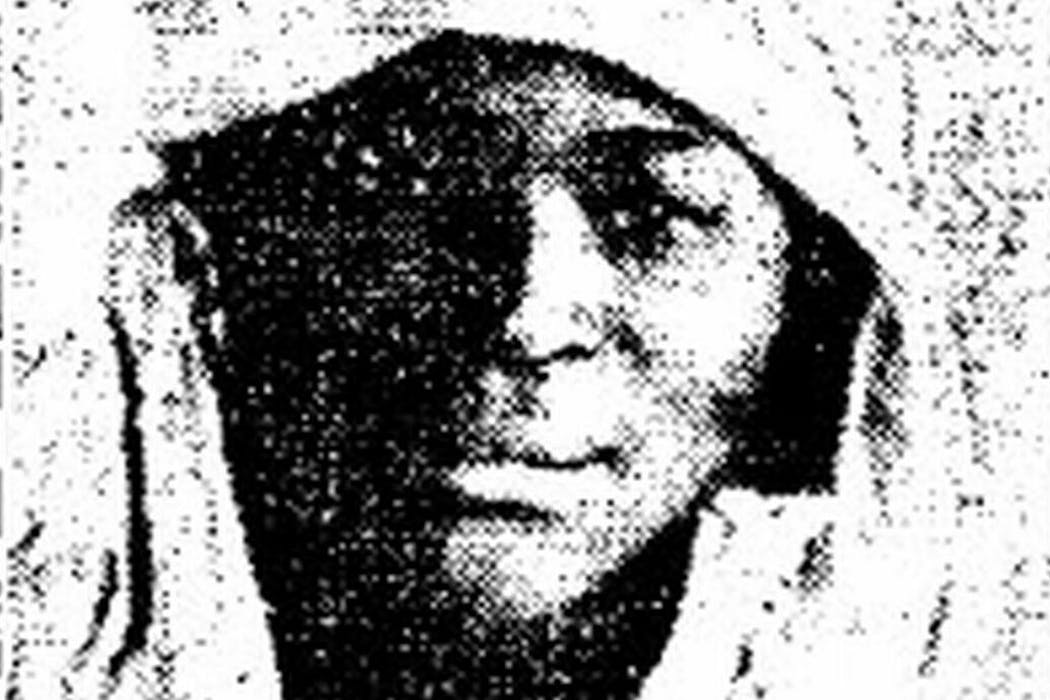
imageA grainy photograph of Clementine Barnabet.A 1912 edition of The Atlanta Constitution newspaper via Wikimedia Commons

In April 1912, a young Black woman named Clementine Barnabet confessed to murdering four families in and around Lafayette, Louisiana. The widespread news coverage at the time effectively branded her a serial killer.

Her confession,...

Read more: Revisiting the story of Clementine Barnabet, a Black woman blamed for serial murders in the Jim...

More Articles ...

  1. In World War II’s dog-eat-dog struggle for resources, a Greenland mine launched a new world order
  2. Coffee crops are dying from a fungus with species-jumping genes – researchers are ‘resurrecting’ their genomes to understand how and why
  3. New dietary guidelines prioritize ‘real food’ – but low-income pregnant women can’t easily obtain it
  4. 3 generations of Black Philadelphia students report persistent anti-Black attitudes in schools
  5. Warming winters are disrupting the hidden world of fungi – the result can shift mountain grasslands to scrub
  6. White men file workplace discrimination claims but are less likely to face inequity than other groups
  7. Atrocities take place in democratic nations as well as autocratic ones – our database has logged them all
  8. How do people know their interests? The shortest player in the NBA shows how self-belief matters more than biology
  9. How a largely forgotten Supreme Court case can help prevent an executive branch takeover of federal elections
  10. Do special election results spell doom for Republicans in 2026?
  11. The intensity and perfectionism that drive Olympic athletes also put them at high risk for eating disorders
  12. 3D scanning and shape analysis help archaeologists connect objects across space and time to recover their lost histories
  13. Are women board members risk averse or agents of innovation? It’s complicated, new research shows
  14. OpenAI has deleted the word ‘safely’ from its mission – and its new structure is a test for whether AI serves society or shareholders
  15. Colorectal cancer is increasing among young people, as James Van Der Beek’s death reminds us – cancer experts explain ways to decrease your risk
  16. Counter-drone technologies are evolving – but there’s no surefire way to defend against drone attacks
  17. Trump’s EPA decides climate change doesn’t endanger public health – the evidence says otherwise
  18. Trump says climate change doesn’t endanger public health – evidence shows it does, from extreme heat to mosquito-borne illnesses
  19. FDA rejects Moderna’s mRNA flu vaccine application - for reasons with no basis in the law
  20. Nearly every state in the US has dyslexia laws – but our research shows limited change for struggling readers
  21. How the 9/11 terrorist attacks shaped ICE’s immigration strategy
  22. Citizenship voting requirement in SAVE America Act has no basis in the Constitution – and ignores precedent that only states decide who gets to vote
  23. Cement has a climate problem — here’s how geopolymers with add-ins like cork could help fix it
  24. Polymers from earth can make cement more climate-friendly
  25. Exiled Iranians and Venezuelans may well support regime change – but diasporas don’t always reflect the politics back home
  26. How business students learn to make ethical decisions by studying a soup kitchen in one of America’s toughest neighborhoods
  27. More than a feeling – thinking about love as a virtue can change how we respond to hate
  28. Addiction affects your brain as well as your body – that’s why detoxing is just the first stage of recovery
  29. Swarms of AI bots can sway people’s beliefs – threatening democracy
  30. Hesitation is costly in sports but essential to life – neuroscientists identified its brain circuitry
  31. Trump administration losing credibility with judges and grand juries – a former federal judge explains why this is ‘remarkable and unprecedented’
  32. Living in space can change where your brain sits in your skull – new research
  33. The rise of ‘Merzoni’: How an alliance between Germany’s and Italy’s leaders is reshaping Europe
  34. Green or not, US energy future depends on Native nations
  35. Martha Washington’s enslaved maid Ona Judge made a daring escape to freedom – but the National Park Service has erased her story from Philadelphia exhibit
  36. ‘Proportional representation’ could reduce polarization in Congress and help more people feel like their voices are being heard
  37. Distrust and disempowerment, not apathy, keep employees from supporting marginalized colleagues
  38. What is and isn’t new about US bishops’ criticism of Trump’s foreign policy
  39. Why is US health care still the most expensive in the world after decades of cost-cutting initiatives?
  40. Reading to young kids improves their social skills − and a new study shows it doesn’t matter whether parents stop to ask questions
  41. Historically Black colleges and universities do more than offer Black youths a pathway to opportunity and success – I teach criminology, and my research suggests another benefit
  42. Local governments provide proof that polarization is not inevitable
  43. How a 22-year-old George Washington learned how to lead, from a series of mistakes in the Pennsylvania wilderness
  44. RNA is key to the dark matter of the genome − scientists are sequencing it to illuminate human health and disease
  45. Mapping cemeteries for class – how students used phones and drones to help a city count its headstones
  46. Why eating cheap chocolate can feel embarrassing – even though no one else cares
  47. ‘Which Side Are You On?’: American protest songs have emboldened social movements for generations, from coal country to Minneapolis
  48. As Jeff Bezos dismantles The Washington Post, 5 regional papers chart a course for survival
  49. Why Christian clergy see risk as part of their moral calling
  50. Held captive in their own country during World War II, Japanese Americans used nature to cope with their unjustified imprisonment