

NewsPronto

 
The Times


.

USA Conversation

The Conversation USA

The Conversation USA

Are heroes born or made? Role models and training can prepare ordinary people to take heroic action

  • Written by Catherine A. Sanderson, Poler Family Professor of Psychology, Amherst College
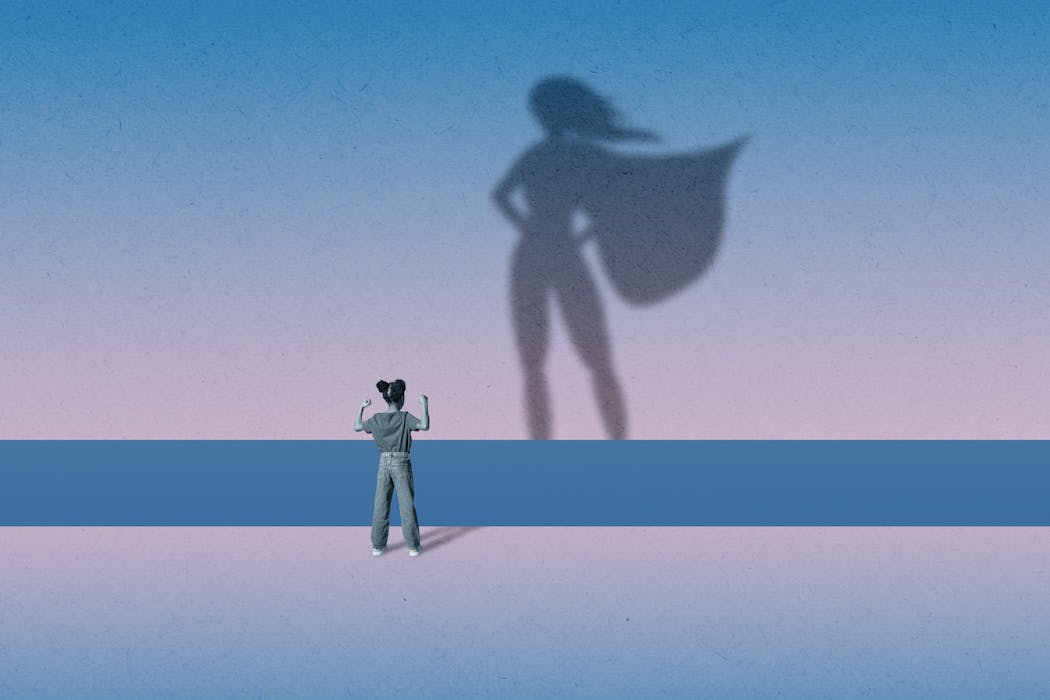
imageDo you have what it takes to be a hero in the moment?Klaus Vedfelt/DigitalVision via Getty Images

Three young Americans – Anthony Sadler, Alek Skarlatos and Spencer Stone – successfully tackled a gunman on a train in France, saving passengers.

The journalist Viktoriia Roshchyna reported on Ukrainian citizens held unlawfully by Russia;...

Read more: Are heroes born or made? Role models and training can prepare ordinary people to take heroic action

More Articles ...

  1. A Plan B for space? On the risks of concentrating national space power in private hands
  2. The inspiring and tragic story of Mabel Stark, America’s most famous female tiger trainer
  3. Iran’s targeting of airport, ports and hotels in reaction to US strikes has forced Gulf nations onto front lines of a war they want no part in
  4. ‘Destruction is not the same as political success’: US bombing of Iran shows little evidence of endgame strategy
  5. Ayatollah Ali Khamenei’s killing plays into Shiite Islam’s reverence for martyrs, but not for all Iranians
  6. Why are so many statues naked? An art historian explains this tradition’s ancient roots
  7. What decades of research reveal about involuntary substance use treatment – and why evidence points elsewhere
  8. Free 10-minute online programs aimed at overcoming depression led to real improvements – new research
  9. The nation is missing millions of voters due to lack of rights for former felons
  10. Failure of US-Iran talks was all too predictable — but turning to military strikes creates dangerous unknowns
  11. Kansas revoked transgender people’s IDs overnight – researchers anticipate cascading health and social consequences
  12. Despite massive US attack and death of ayatollah, regime change in Iran is unlikely
  13. Iran will respond to US-Israeli strikes as existential threats to the regime – because they are
  14. Cuba’s speedboat shootout recalls long history of exile groups engaged in covert ops aimed at regime change
  15. Drug company ads are easy to blame for misleading patients and raising costs, but research shows they do help patients get needed treatment
  16. Tiny recording backpacks reveal bats’ surprising hunting strategy
  17. Nanoparticles and artificial intelligence can help researchers detect pollutants in water, soil and blood
  18. Bad Bunny says reggaeton is Puerto Rican, but it was born in Panama
  19. How the Seattle Seahawks’ sale will score a touchdown for charity 8 years after Paul Allen’s death
  20. There aren’t enough geriatricians – here’s how older adults can still get the right care
  21. Former Harvard president Summers’ soft landing after Epstein revelations is case study of economics’ trouble with misbehaving men
  22. Will AI accelerate or undermine the way humans have always innovated?
  23. Fewer new moms are dying in Colorado – naloxone might be one reason why
  24. The apocrypha, Christianity’s ‘hidden’ texts, may not be in the Bible – but they have shaped tradition for centuries
  25. How natural hydrogen, hiding deep in the Earth, could serve as a new energy source
  26. How to prevent elections from being stolen − lessons from around the world for the US
  27. Minneapolis united when federal immigration operations surged – reflecting a long tradition of mutual aid
  28. It’s never too late to learn a language – adults and kids bring different strengths to the task
  29. AI’s growing appetite for power is putting Pennsylvania’s aging electricity grid to the test
  30. Abortion laws show that public policy doesn’t always line up with public opinion
  31. Why US third parties perform best in the Northeast
  32. The cost of casting animals as heroes and villains in conservation science
  33. Detroit was once home to 18 Black-led hospitals – here’s how to understand their rise and fall
  34. How protecting wilderness could mean purposefully tending it, not just leaving it alone
  35. From moral authority to risk management: How university presidents stopped speaking their minds
  36. Pittsburgh nurses are fighting for better staffing ratios — and the research backs them up
  37. Making sense of a chaotic planet: How understanding weather and climate risks depends on supercomputers like NCAR’s
  38. Taboo tics like shouting curses and slurs are uncommon in Tourette syndrome − but people who have them suffer harsh social stigma
  39. Why does pain last longer for women? Immune cells may be the culprit
  40. Why ICE’s body camera policies make the videos unlikely to improve accountability and transparency
  41. Honoring Colorado’s Black History requires taking the time to tell stories that make us think twice
  42. Artists and writers are often hesitant to disclose they’ve collaborated with AI – and those fears may be justified
  43. 50 years ago, the Supreme Court broke campaign finance regulation
  44. 1 protein to rule them all – why crowning the protein that makes jellyfish glow green as a model can help scientists streamline biology
  45. ‘Probably’ doesn’t mean the same thing to your AI as it does to you
  46. When civil rights protesters are killed, some deaths – generally those of white people – resonate more
  47. Florida’s proposed cuts to AIDS drug program threaten patient care and public health
  48. Supreme Court’s Michigan pipeline case is about Native rights and fossil fuels, not just technical legal procedure
  49. Baptists have helped shape debate about religious freedom for over 400 years – up to today’s 10 Commandments laws
  50. Why standing in solidarity with immigrants is an act of accompaniment in Catholic philosophy