As music festival season ramps up, artists can help shine a light on an ‘invisible’ workforce
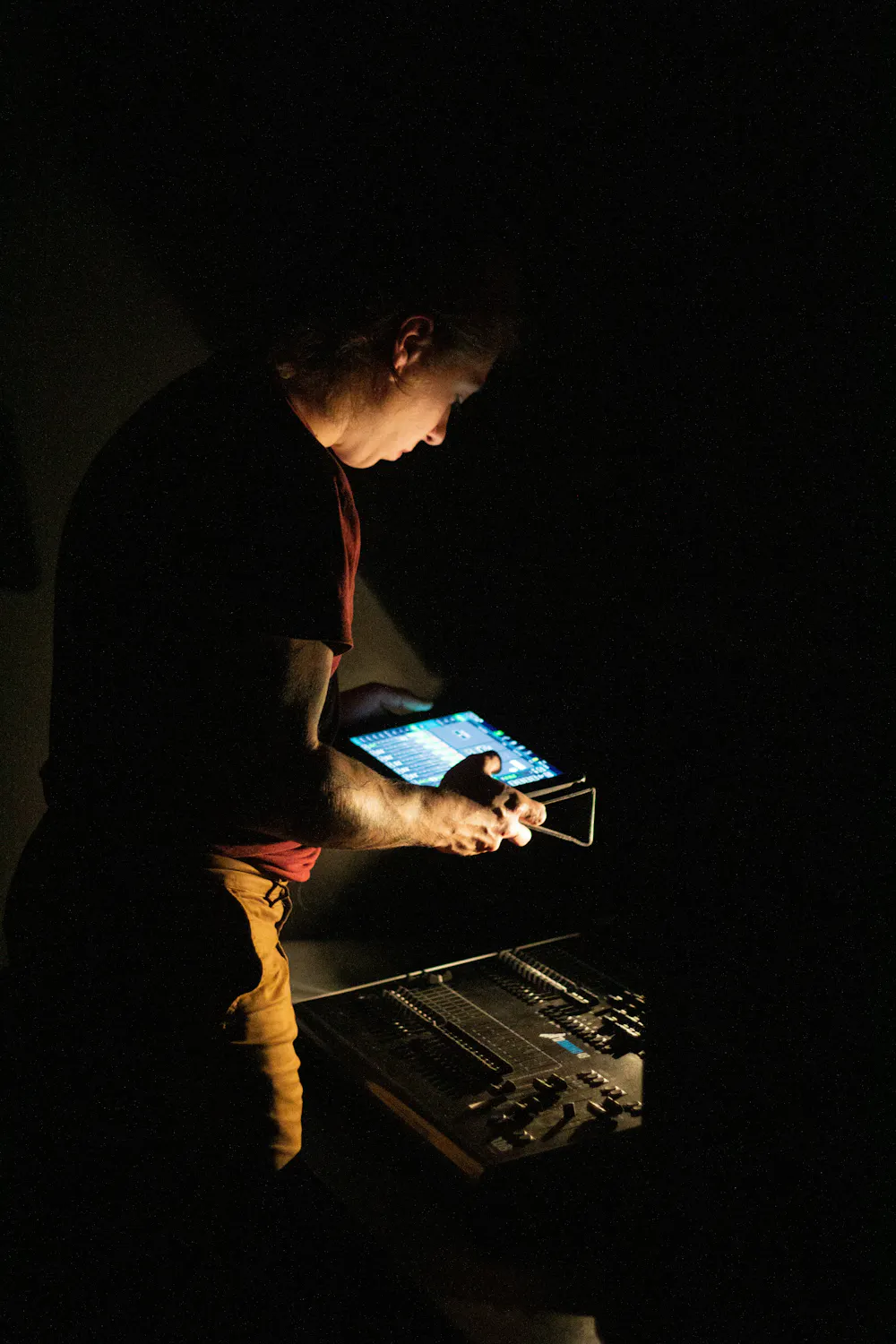
Around Australia, music festival season is once again kicking into high gear. Yet behind every headline act is a vast and often invisible workforce of stage crew, sound engineers, lighting techs, riggers, truck drivers, backup singers, dancers and other support staff.
Many of these workers endure precarious conditions – dealing with inconsistent contracts, long hours and excessive travel. These issues aren’t confined to Australia’s arts scene, it’s a similar story around much of the world.
It’s a multifaceted problem, with no easy solutions. But an emerging influence – led by global artists such as Taylor Swift – could help move things in the right direction.
A workforce under strain
Recent assessments of Australia’s live music workforce paint a troubling picture.
A 2024 report from not-for-profit organisation CrewCare surveyed 292 members and found 45% of crew reported working excessive hours, while 53% said their hours prevented a healthy work-life balance.
It found 47% of respondents relied on income earned outside the industry just to make ends meet.
A separate recent survey of more than 550 musicians by the Media, Entertainment & Arts Alliance, the union representing music industry workers, found half of them earned less than A$6,000 in 2023.
And a federal government-led study released earlier this year found problems with labour shortages, untrained staff managing dangerous equipment, and increasing reliance on “amateurs” and interns – all of which weaken safety and professional standards.
In short, the “machine” behind live music is under strain, and too often the people powering it are undervalued.
The ‘Taylor Swift effect’
Charities such as Support Act and CrewCare highlight the often ignored workforce of production crew and are advocating for fairer conditions.
But could artists themselves now be playing an increasing role?
Consider Taylor Swift. Headlines about her recent global Eras Tour highlighted not only record-setting ticket sales, but also her decision to distribute very large bonuses to her crew.
Swift reportedly awarded US$197 million (about A$300 million) in bonuses to lighting and sound technicians, caterers, dancers, security personnel and others at the end of the tour.
On earlier tour legs, she reportedly gave bonuses of US$100,000 (about A$150,000) each to her production truck drivers.
Such gestures do more than reward the team. They send a clear message that the labour behind the tour matters centrally to the business of the star.

Putting wellbeing first
When a big artist publicly values their entourage, it changes expectations. When fans observe how how supporting artists and crews are treated by a star like Swift, promoters and partners feel pressure to match standards, and emerging artists may adopt different norms.
It isn’t just Swift. Signs are emerging internationally that other major artists are beginning to lead on crew wellbeing.
Beyoncé’s tours have incorporated increased wellness resources for support artists and crew, signalling a shift in touring logistics toward increased care.
For her Renaissance World Tour in 2023, this reportedly included banning alcohol and drugs and having the crew undergo “MeToo” background checks for any prior sexual misconduct allegations.
Reliance on internships and volunteers
A related but often overlooked issue is the reliance on unpaid internships and student volunteers behind many live-music events.
Young people often fill roles in production assistance, stage management and technical support under the promise of “experience”. In Australia, 26% of festival staff are unpaid volunteers.
Yet such arrangements can perpetuate low levels of pay, unstable pathways and workforce casualisation. When superstars treat their own paid crew well, but those on the periphery remain unpaid or undervalued, inequality remains.
The festival labour shortages in Australia – often filled by volunteers and unpaid interns – reveal both structural risk and ethical gaps.
 Australia’s summer music festival season is now well underway.
Johan Mouchet/Unsplash
Australia’s summer music festival season is now well underway.
Johan Mouchet/Unsplash
Australia’s opportunity
With the festival calendar heating up, the Australian music scene has a window of opportunity. Artists, promoters and venues can adopt a model of valuing the entire team.
When an act arrives and publicly says “we support our performing artists and crew, they’re paid, they’re rested, they’re valued”, it gives a competitive edge and moral capital.
It also builds sustainability as a result of fewer burnout resignations, richer talent pipelines in regional areas, safer operations and stronger reputation.
The live music industry has long been powered by invisible labour. But when someone like Swift uses her platform to reward that labour visibly, it shifts norms.
That ripple can reach Australia’s festivals, crew training programs and production companies. If more artists, promoters and fans begin to see crew wellbeing as integral to the show, then the labour behind the magic might finally get the recognition – and conditions – it deserves.
Authors: The Conversation