














KiwiSaver payments have to rise – but earners shouldn’t be penalised if they can’t afford it
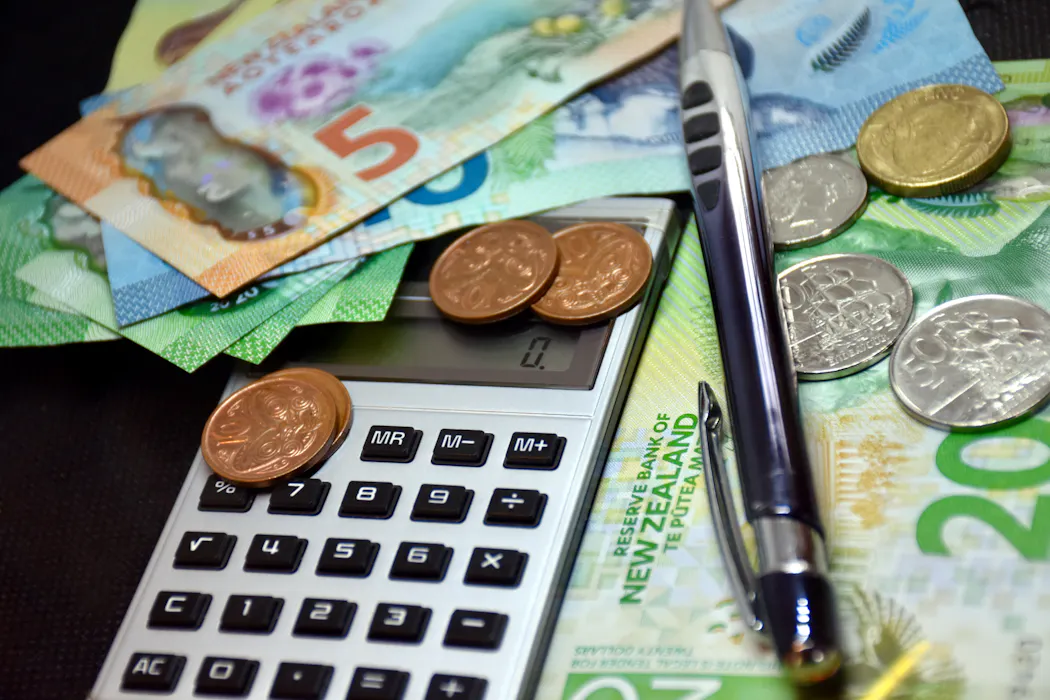
The 2020s haven’t exactly been a golden age for getting ahead.
First came COVID, when job security evaporated overnight. Then the cost-of-living crisis, when everyday expenses surged far faster than incomes. Now, global instability is pushing fuel prices higher again, squeezing household budgets even tighter.
For many New Zealanders, “getting ahead” has quietly become “just getting through”.
And when money gets tight, people make trade-offs: power bill or groceries, doctor’s appointments or school supplies, rent or savings. Today or tomorrow.
Which makes the latest change to KiwiSaver understandable but potentially problematic.
From April 1, default contributions rise from 3% to 3.5% for both employees and employers. On paper, this is a good move. At 3%, most people were never going to build a retirement balance that delivers anything close to financial security.
Contributions will rise again to 4% in 2028. But some observers have argued they need to rise to around 12%. Even at that level, others have said, four in ten people still won’t retire with enough.
So yes, we need higher contributions.
But here’s the problem: increasing contributions assumes people can afford to save more. Many can’t, which means KiwiSaver changes from an incentivised saving scheme to a financial penalty.
The flaw in the system
When KiwiSaver was introduced, policymakers made a deliberate design choice: employee contributions would be the key that unlocks the door to savings support.
If you don’t contribute, you don’t receive employer contributions or the government tax credit. We have created an all-or-nothing system.
On the face of it, that makes sense. Tie incentives to behaviour and people will make the “right” choice. But that logic was built in 2007 – a very different economic environment.
Back then, the challenge was convincing people to give up a little consumption today for a better future. A growing number of households face a very different choice today: save for the future or survive today.
Over 14% of New Zealand children live in households experiencing material hardship. On top of that, a significant proportion of struggling households are not traditionally “poor” – they are working, earning and still struggling.
These are the households KiwiSaver is quietly losing. And this creates perverse outcomes.
Those who can afford to stay in the system continue to receive employer and government support. Those under the most financial pressure are locked out entirely.
Take a household already stretched by the cost of rent, food and transport. A small increase in contributions – even half a percent – might be enough to tip the balance.
So, they take a savings suspension and their KiwiSaver contributions stop. In turn, this stops their employer contributions (effectively part of their total wage compensation) and their government contributions.
Investment service InvestNow looked at the cost of a one-year savings suspension for someone aged 35 earning NZ$80,000 per year. Thanks to the temporary suspension, they would reach retirement with $20,000 less in their fund.
That is not because they made a poor decision, it’s because they didn’t have a choice.
From nudging to punishing
New Zealand doesn’t need to penalise already financially struggling households.
Australia’s superannuation system does it differently. Employer contributions are compulsory (and higher than for KiwiSaver) and continue regardless of whether employees are themselves actively contributing. That means households continue to save for retirement even when under financial pressure.
But there is another, less obvious consequence of the KiwiSaver design. By tying employer contributions entirely to employee contributions, the scheme shifts risk away from firms and onto workers – and ultimately onto the state.
Employers benefit from a system where their retirement contribution obligations disappear the moment an employee is under financial pressure. In effect, the lower the financial resilience of the workforce, the lower the employer’s contribution costs.
This creates a longer-term problem. Workers unable to maintain contributions today are far more likely to reach retirement with inadequate savings – increasing future reliance on New Zealand Superannuation and other forms of public support.
In other words, part of the cost is simply being deferred. And when it arrives, it won’t be paid by firms. It will be paid by taxpayers.
There are simple ways the system could be made more flexible:
allow a minimum level of employer contributions to continue during savings suspensions
when employees opt to maintain default contributions at 3%, require employers to contribute 3.5% so that employees are still saving more
maintain some level of government contribution for households experiencing hardship
at the very least, create a category of suspensions where those genuinely struggling are not penalised for it.
Let’s consider our 35-year-old taking a one-year suspension who would currently have $20,000 less at retirement. If their government and employer contributions continued during that suspension, they would be down only $10,000 at retirement.
Over the population, that represents a substantial reduction in the harm financial hardship is likely to cause in retirement.
Authors: The Conversation