NewsPronto

 
Men's Weekly

.

The Conversation

Bearing witness after the witnesses are gone: How to bring Holocaust education home for a new generation

  • Written by Chad Gibbs, Assistant Professor of Jewish Studies, College of Charleston
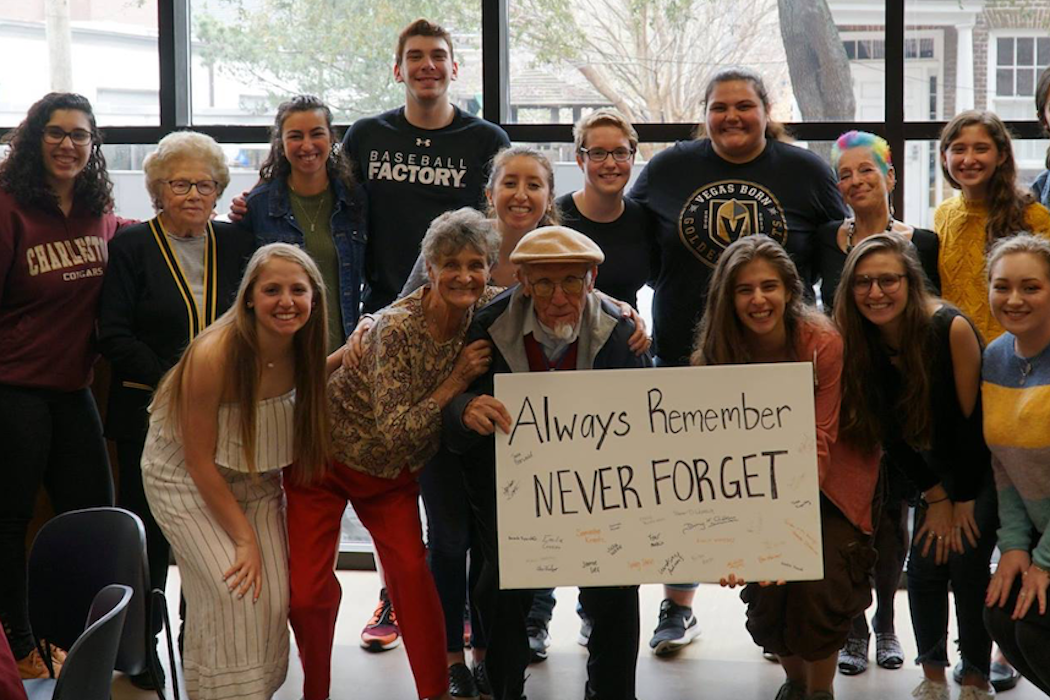
imageJoe Engel, joined here by fellow Holocaust survivors Rose Goldberg and Diny K. Adkins, along with College of Charleston students, dedicated his later years to speaking about his experiences during the Holocaust.Courtesy of the Zucker/Goldberg Center for Holocaust Studies

Joe Engel was and remains an icon in Charleston, South Carolina. Born in...

Read more: Bearing witness after the witnesses are gone: How to bring Holocaust education home for a new...

From ancient Rome to today, war-makers have talked constantly about peace

  • Written by Timothy Joseph, Professor of Classics and the Director of Peace and Conflict Studies, College of the Holy Cross
imageWhen is war peace? When someone in power says it is.Dimitri Otis, DigitalVision via Getty Images

In a week filled with news about President Donald Trump’s aggressive moves to take control of Greenland, the world got a window into his thinking about the concept of “peace.”

“Considering your Country decided not to give me the...

Read more: From ancient Rome to today, war-makers have talked constantly about peace

Antibiotic resistance could undo a century of medical progress – but four advances are changing the story

  • Written by André O. Hudson, Dean of the College of Science, Professor of Biochemistry, Rochester Institute of Technology
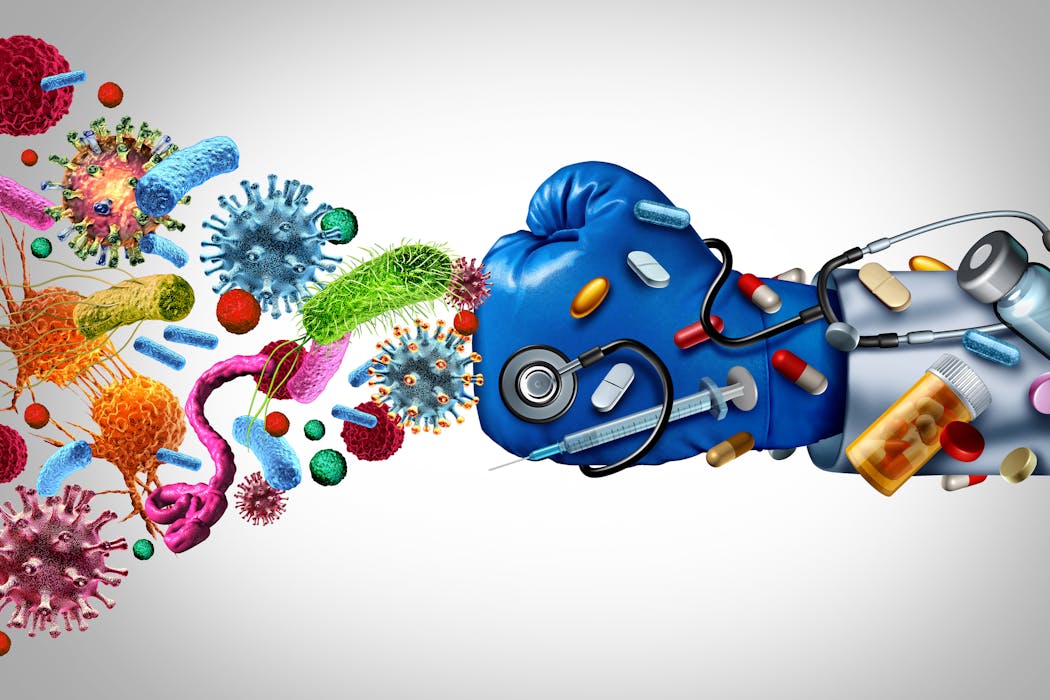
imageScientists are fighting back against antibiotic resistance with new strategies and tools.wildpixel/iStock via Getty Images Plus

Imagine going to the hospital for a bacterial ear infection and hearing your doctor say, “We’re out of options.” It may sound dramatic, but antibiotic resistance is pushing that scenario closer to...

Read more: Antibiotic resistance could undo a century of medical progress – but four advances are changing...

Filming ICE is legal but exposes you to digital tracking – here’s how to minimize the risk

  • Written by Nicole M. Bennett, Ph.D. Candidate in Geography and Assistant Director at the Center for Refugee Studies, Indiana University
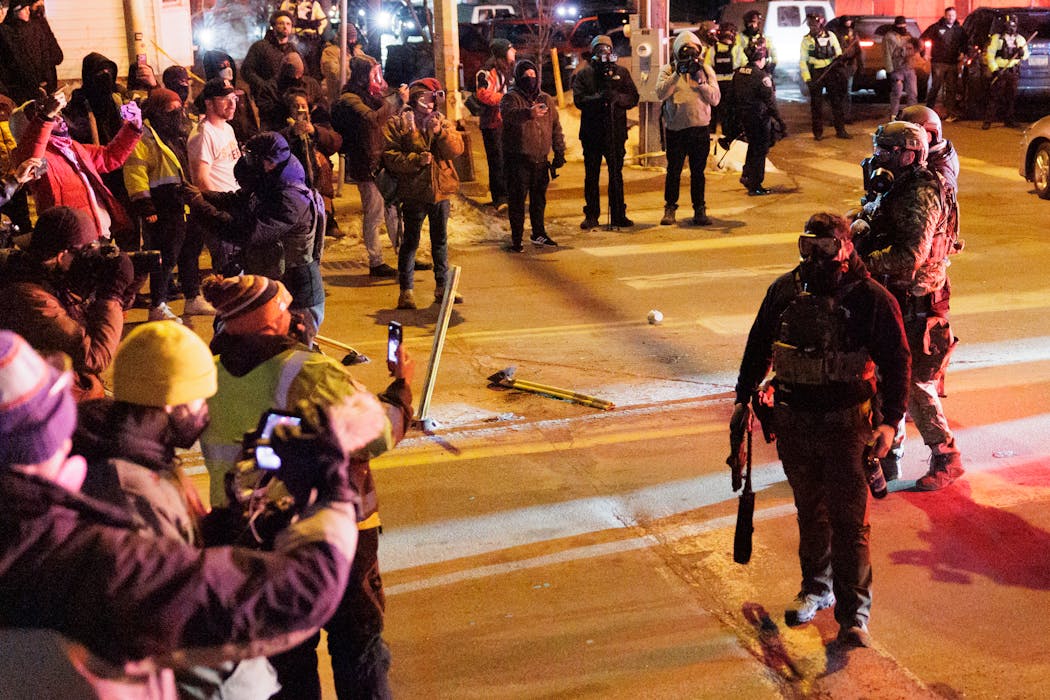
imageIf you're going to record ICE agents, recognize that the risks go beyond physical confrontation.Madison Thorn/Anadolu via Getty Images

When an Immigration and Customs Enforcement agent shot and killedRenee Nicole Good in south Minneapolis on Jan. 7, 2026, what happened next looked familiar, at least on the surface. Within hours, cellphone footage...

Read more: Filming ICE is legal but exposes you to digital tracking – here’s how to minimize the risk

Federal immigration enforcement near schools disrupts attendance, traumatizes students and damages their academic performance

  • Written by Carolyn Sattin-Bajaj, Associate Professor of Education, University of California, Santa Barbara
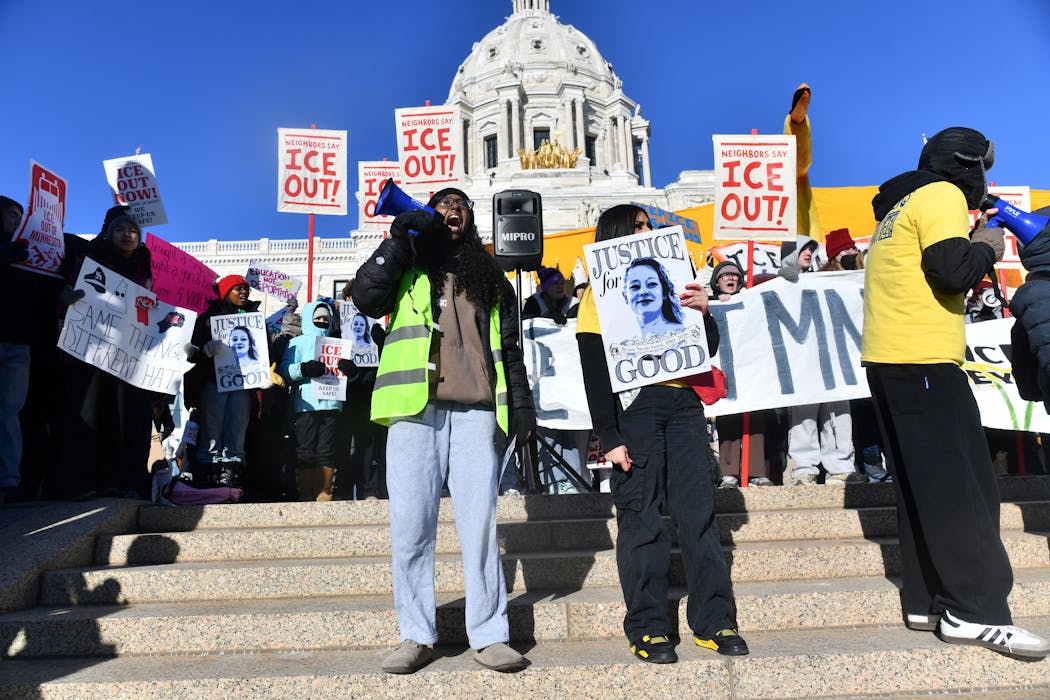
imageHigh school students gather for an anti-ICE protest outside the state capitol in St. Paul, Minn., on Jan. 14, 2026. Octavio Jones/AFP via Getty Images

The Trump administration’s recent surge of more than 3,000 federal agents to Minneapolis and St. Paul, Minnesota, is creating ripple effects for students, teachers and parents that go well...

Read more: Federal immigration enforcement near schools disrupts attendance, traumatizes students and damages...

America’s next big clean energy resource could come from coal mine pollution – if we can agree on who owns it

  • Written by Hélène Nguemgaing, Assistant Clinical Professor of Critical Resources & Sustainability Analytics, University of Maryland
imageAcid mine waste turns rocks orange along Shamokin Creek in Pennsylvania. Jake C/Wikimedia Commons, CC BY-SA

Across Appalachia, rust-colored water seeps from abandoned coal mines, staining rocks orange and coating stream beds with metals. These acidic discharges, known as acid mine drainage, are among the region’s most persistent environmental...

Read more: America’s next big clean energy resource could come from coal mine pollution – if we can agree on...

Despite its steep environmental costs, AI might also help save the planet

  • Written by Nir Kshetri, Professor of Management, University of North Carolina – Greensboro

The rapid growth of artificial intelligence has sharply increased electricity and water consumption, raising concerns about the technology’s environmental footprint and carbon emissions. But the story is more complicated than that.

I study emerging technologies and how their development and deployment influence economic, institutional and...

Read more: Despite its steep environmental costs, AI might also help save the planet

Why ‘unwinding’ with screens may be making us more stressed – here’s what to try instead

  • Written by Robin Pickering, Professor and Chair of Public Health, Gonzaga University
imageUsing multiple digital devices at once can be highly distracting and overstimulating.Riska/E+ via Getty Images

As Americans increasingly report feeling overwhelmed by daily life, many are using self-care to cope. Conversations and social media feeds are saturated with the language of “me time,” burnout, boundaries and nervous system...

Read more: Why ‘unwinding’ with screens may be making us more stressed – here’s what to try instead

The only thing limiting Taylor Swift’s popularity is partisan polarization

  • Written by Laurel Elder, Professor of Political Science, Hartwick College
imageAround the world, Taylor Swift's fan base skews female.AP Photo/Heinz Peter Bader

Taylor Swift’s latest album, “The Life of a Showgirl,” generated a cultural whirlwind: chart-topping success, social media saturation and frenzied debate over her artistic evolution.

Nonetheless, despite this warm reception, opinions on Swift are...

Read more: The only thing limiting Taylor Swift’s popularity is partisan polarization

Trump’s stated reasons for taking Greenland are wrong – but the tactics fit with the plan to limit China’s economic interests

  • Written by Steven Lamy, Professor Emeritus of Political Science and International Relations and Spatial Sciences, USC Dornsife College of Letters, Arts and Sciences
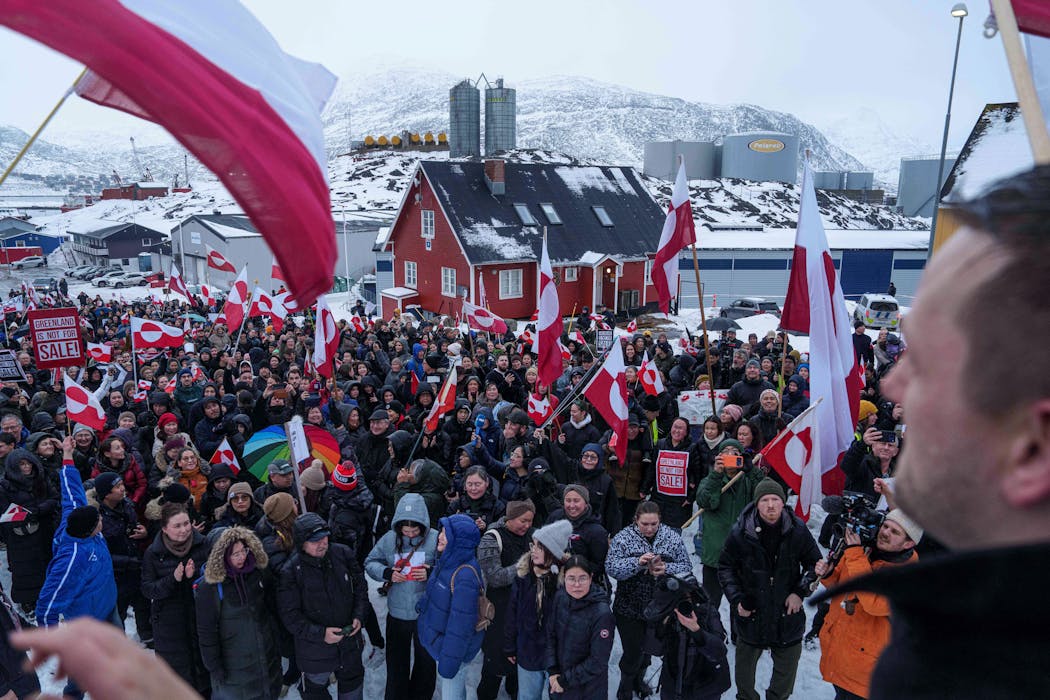
imagePeople protest against U.S. President Donald Trump's policy toward Greenland in front of the U.S. consulate in Nuuk, Greenland, on Jan. 17, 2026.AP Photo/Evgeniy Maloletka

In 2019, during his first term, U.S. President Donald Trump expressed a desire to buy Greenland, which has been a part of Denmark for some 300 years. Danes and Greenlanders quickl...

Read more: Trump’s stated reasons for taking Greenland are wrong – but the tactics fit with the plan to limit...

More Articles ...

  1. The world is in water bankruptcy, UN scientists report – here’s what that means
  2. AI cannot automate science – a philosopher explains the uniquely human aspects of doing research
  3. What ‘hope’ has represented in Christian history – and what it might mean now
  4. Some hard-earned lessons from Detroit on how to protect the safety net for community partners in research
  5. Iran’s universities have long been a battleground, where protests happen and students fight for the future
  6. Why Philly has so many sinkholes
  7. What air pollution does to the human body
  8. What triumphalist narratives about Brazil’s high court and Bolsonaro imprisonment leave out
  9. What a bear attack in a remote valley in Nepal tells us about the problem of aging rural communities
  10. Opera is not dying – but it needs a second act for the streaming era
  11. Trump’s Greenland ambitions could wreck 20th-century alliances that helped build the modern world order
  12. Are there thunderstorms on Mars? A planetary scientist explains the red planet’s dry, dusty storms
  13. An ultrathin coating for electronics looked like a miracle insulator − but a hidden leak fooled researchers for over a decade
  14. For 80 years, the president’s party has almost always lost House seats in midterm elections, a pattern that makes the 2026 congressional outlook clear
  15. Chavismo has adapted before – but can Venezuela’s leftist ideology become US friendly and survive?
  16. Supreme Court is set to rule on constitutionality of Trump tariffs – but not their wisdom
  17. 12 ways the Trump administration dismantled civil rights law and the foundations of inclusive democracy in its first year
  18. Thecla, the beast fighter: The saint who faced down lions and killer seals is one of many ‘leading ladies’ in early Christian texts
  19. American farmers, who once fed the world, face a volatile global market with diminishing federal backing
  20. Deep reading can boost your critical thinking and help you resist misinformation – here’s how to build the skill
  21. Iran’s latest internet blackout extends to phones and Starlink
  22. New variant of the flu virus is driving surge of cases across the US and Canada
  23. International aid groups are dealing with the pain of slashed USAID funding by cutting staff, localizing and coordinating better
  24. Colorado ranchers and consumers can team up to make beef supply chains more sustainable
  25. Raccoons break into liquor stores, scale skyscrapers and pick locks – studying their clever brains can clarify human intelligence, too
  26. Googoosh, the ‘Voice of Iran,’ has gone quiet – and that’s her point
  27. The Insurrection Act is one of at least 26 legal loopholes in the law banning the use of the US military domestically
  28. Global power struggles over the ocean’s finite resources call for creative diplomacy
  29. China’s new condom tax will prove no effective barrier to country’s declining fertility rate
  30. Refugee families are more likely to become self-reliant if provided with support outside of camp settings
  31. The hidden power of grief rituals
  32. Science is best communicated through identity and culture – how researchers are ensuring STEM serves their communities
  33. How is China viewing US actions in Venezuela – an affront, an opportunity or a blueprint?
  34. One cure for sour feelings about politics − getting people to love their hometowns
  35. Most of the 1 million Venezuelans in the United States arrived within the past decade
  36. How mountain terraces have helped Indigenous peoples live with climate uncertainty
  37. Supreme Court likely to reject limits on concealed carry but uphold bans on gun possession by drug users
  38. New Year’s resolutions usually fall by the wayside, but there is a better approach to making real changes
  39. Before Venezuela’s oil, there were Guatemala’s bananas
  40. Searching reporters’ homes, suing journalists and repressing citizen dissent are well-known steps toward autocracy
  41. Climate engineering would alter the oceans, reshaping marine life – our new study examines each method’s risks
  42. Climate engineering would alter the oceans, reshaping marine life – new study examines each method’s risks
  43. Reddit and TikTok - with the help of AI - are reshaping how researchers understand substance use
  44. Broncos say their new stadium will be ‘privately financed,’ but ‘private’ often still means hundreds of millions in public resources
  45. For some Jewish women, ‘passing’ as Christian during the Holocaust could mean survival – but left scars all the same
  46. There’s an intensifying kind of threat to academic freedom – watchful students serving as informants
  47. Building ‘beloved community’: Remembering the friendship between Martin Luther King Jr. and Buddhist monk Thich Nhat Hanh
  48. US military has a long history in Greenland, from mining during WWII to a nuclear-powered Army base built into the ice
  49. Could ChatGPT convince you to buy something? Threat of manipulation looms as AI companies gear up to sell ads
  50. From a new flagship space telescope to lunar exploration, global cooperation – and competition – will make 2026 an exciting year for space