

NewsPronto

 
The Times


.

USA Conversation

The Conversation USA

The Conversation USA

Former Harvard president Summers’ soft landing after Epstein revelations is case study of economics’ trouble with misbehaving men

  • Written by Yana van der Meulen Rodgers, Professor of Labor Studies, Rutgers University
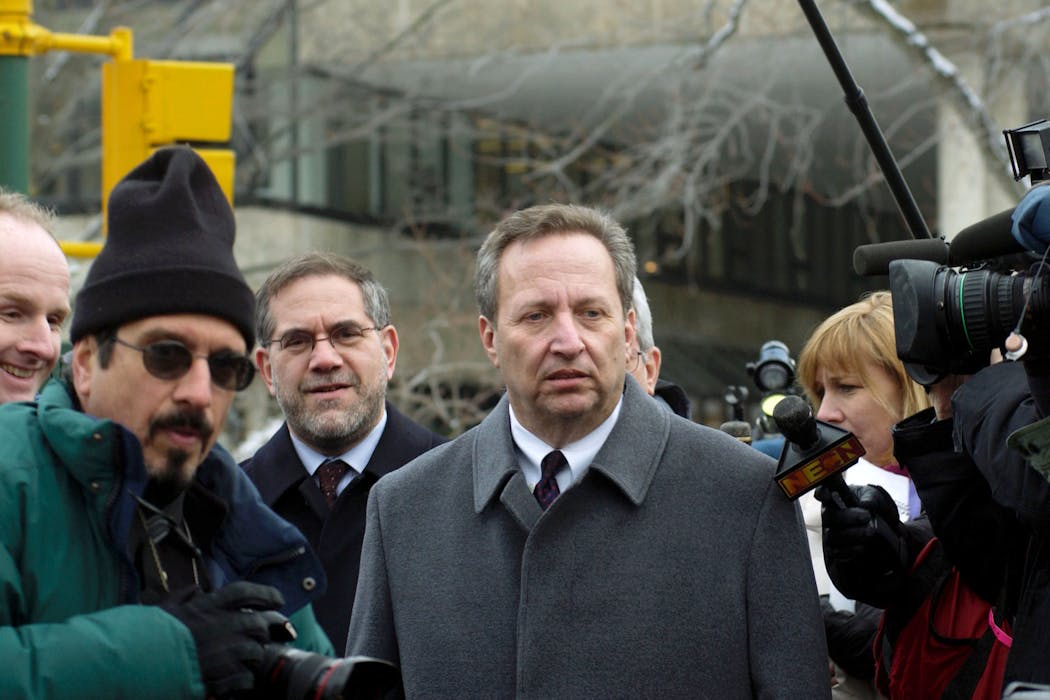
imageLarry Summers, center, is surrounded by the media in 2005 amid calls for his resignation.Jodi Hilton/Getty Images

Economist Larry Summers will resign from his tenured job as a professor at Harvard University, the school announced on Feb. 25, 2026, following heightened scrutiny of his ties with the late convicted sex offender Jeffrey Epstein....

Read more: Former Harvard president Summers’ soft landing after Epstein revelations is case study of...

More Articles ...

  1. Will AI accelerate or undermine the way humans have always innovated?
  2. Fewer new moms are dying in Colorado – naloxone might be one reason why
  3. The apocrypha, Christianity’s ‘hidden’ texts, may not be in the Bible – but they have shaped tradition for centuries
  4. How natural hydrogen, hiding deep in the Earth, could serve as a new energy source
  5. How to prevent elections from being stolen − lessons from around the world for the US
  6. Minneapolis united when federal immigration operations surged – reflecting a long tradition of mutual aid
  7. It’s never too late to learn a language – adults and kids bring different strengths to the task
  8. AI’s growing appetite for power is putting Pennsylvania’s aging electricity grid to the test
  9. Abortion laws show that public policy doesn’t always line up with public opinion
  10. Why US third parties perform best in the Northeast
  11. The cost of casting animals as heroes and villains in conservation science
  12. Detroit was once home to 18 Black-led hospitals – here’s how to understand their rise and fall
  13. How protecting wilderness could mean purposefully tending it, not just leaving it alone
  14. From moral authority to risk management: How university presidents stopped speaking their minds
  15. Pittsburgh nurses are fighting for better staffing ratios — and the research backs them up
  16. Making sense of a chaotic planet: How understanding weather and climate risks depends on supercomputers like NCAR’s
  17. Taboo tics like shouting curses and slurs are uncommon in Tourette syndrome − but people who have them suffer harsh social stigma
  18. Why does pain last longer for women? Immune cells may be the culprit
  19. Why ICE’s body camera policies make the videos unlikely to improve accountability and transparency
  20. Honoring Colorado’s Black History requires taking the time to tell stories that make us think twice
  21. Artists and writers are often hesitant to disclose they’ve collaborated with AI – and those fears may be justified
  22. 50 years ago, the Supreme Court broke campaign finance regulation
  23. 1 protein to rule them all – why crowning the protein that makes jellyfish glow green as a model can help scientists streamline biology
  24. ‘Probably’ doesn’t mean the same thing to your AI as it does to you
  25. When civil rights protesters are killed, some deaths – generally those of white people – resonate more
  26. Florida’s proposed cuts to AIDS drug program threaten patient care and public health
  27. Supreme Court’s Michigan pipeline case is about Native rights and fossil fuels, not just technical legal procedure
  28. Baptists have helped shape debate about religious freedom for over 400 years – up to today’s 10 Commandments laws
  29. Why standing in solidarity with immigrants is an act of accompaniment in Catholic philosophy
  30. Violent aftermath of Mexico’s ‘El Mencho’ killing follows pattern of other high-profile cartel hits
  31. Crowdfunded generosity isn’t taxable – but IRS regulations haven’t kept up with the growth of mutual aid
  32. Picky eating starts in the womb – a nutritional neuroscientist explains how to expand your child’s palate
  33. What is Bluetooth and how does it work?
  34. How transparent policies can protect Florida school libraries amid efforts to ban books
  35. Algorithms that customize marketing to your phone could also influence your views on warfare
  36. Colleges face a choice: Try to shape AI’s impact on learning, or be redefined by it
  37. Michelangelo hated painting the Sistine Chapel – and never aspired to be a painter to begin with
  38. How Homeland Security’s subpoenas and databases of protesters threaten the ‘uninhibited, robust, and wide-open’ free speech protected by Supreme Court precedent
  39. Meekness isn’t weakness – once considered positive, it’s one of the ‘undersung virtues’ that deserve defense today
  40. Why Stephen Colbert is right about the ‘equal time’ rule, despite warnings from the FCC
  41. As war in Ukraine enters a 5th year, will the ‘Putin consensus’ among Russians hold?
  42. Supreme Court rules against Trump’s emergency tariffs – but leaves key questions unanswered
  43. Enforcing Prohibition with a massive new federal force of poorly trained agents didn’t go so well in the 1920s
  44. How Dracula became a red-hot lover
  45. After a 32-hour shift in Pittsburgh, I realized EMTs should be napping on the job
  46. Individual donors provide only a small slice of university research funding – but Jeffrey Epstein’s ties with academics show why screening matters
  47. Menstrual pads and tampons can contain toxic substances – here’s what to know about this emerging health issue
  48. Colorado has high levels of radon, which can cause lung cancer – here’s how to lower your risk
  49. Trump administration axed nutrition education program that saved more money than it cost, even as government encourages healthier eating
  50. Probability underlies much of the modern world – an engineering professor explains how it actually works